

5 Takeaways From the Q2 2026 State of Search Report
What the latest Datos and SparkToro research means for your marketing
If you've seen a headline claiming AI is about to replace Google, the latest search data offers a useful reality check.
The report was produced by Datos, a Semrush company, with analysis from SparkToro. It uses anonymized desktop clickstream activity from tens of millions of users in the US, EU, and UK. The data covers April 2025 through June 2026 and looks at traditional search, AI tools, e-commerce, and social platforms.
The full report is worth reading, but it is packed with charts. Here are the five findings most likely to affect your marketing decisions.
One caveat: This is desktop data. It does not capture every mobile or in-app search.
1. AI Is Growing, but Traditional Search Is Still Much Bigger
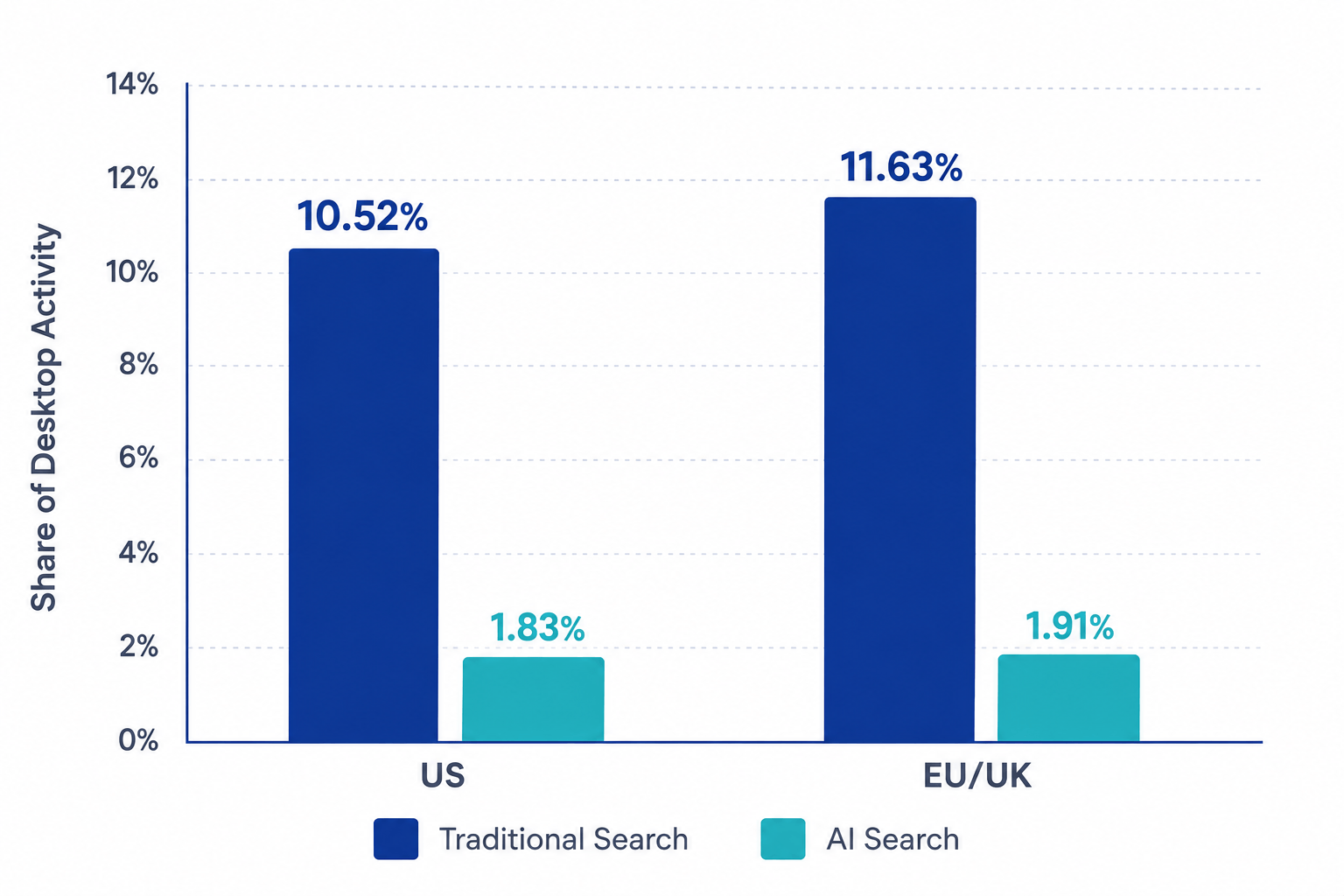
In Q2 2026, AI tools made up 1.83% of desktop activity in the US. Traditional search made up 10.52%.
The gap was similar in the EU and UK, with 1.91% for AI and 11.63% for traditional search.
That matters because it is easy to overreact to the newest platform. AI deserves a place in your plan, but the data does not support walking away from SEO or paid search.
What to do now
Keep the basics strong: a useful website, clear service pages, local visibility, solid paid search campaigns, and content that answers real questions. Then make sure the same information is easy for AI tools to understand. You do not need to choose between traditional search and AI. Your plan should cover both.
2. People Are Doing More Research Before They Click or Call
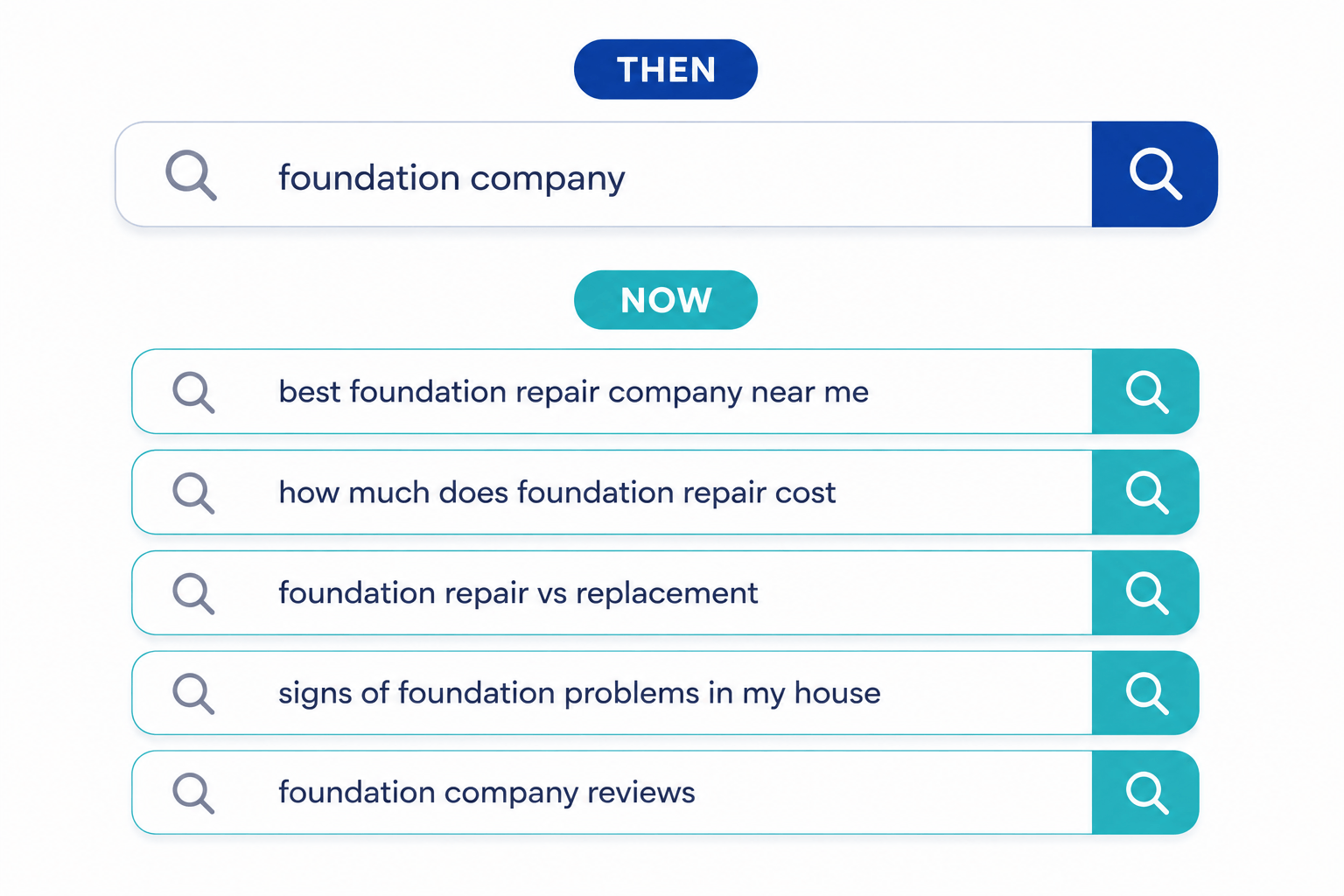
Navigational searches fell across every major search engine in the report. Informational and commercial research searches grew. Longer searches also became more common.
In plain English, people are not only typing a business name and heading straight to the website. They are comparing options, looking for prices, checking warning signs, and trying to understand what happens next.
What to do now
Start with the questions your sales and service teams hear every week. Those are often your best content ideas.
- How much does this cost?
- What are the signs I need this service?
- How does this option compare with another?
- What should I expect during the process?
- How do I choose the right provider?
Pages that answer these questions can help you show up earlier in the decision process, before someone has chosen a company.
3. A Google Ranking Does Not Always Turn Into a Website Visit
In the US, the share of searches that led to an organic click fell from 44.9% in March to 40% in June.
In the EU and UK, clicks to Google-owned properties climbed from 11.7% in April 2025 to 20.4% in June 2026, while organic click-through fell to 40.7%.
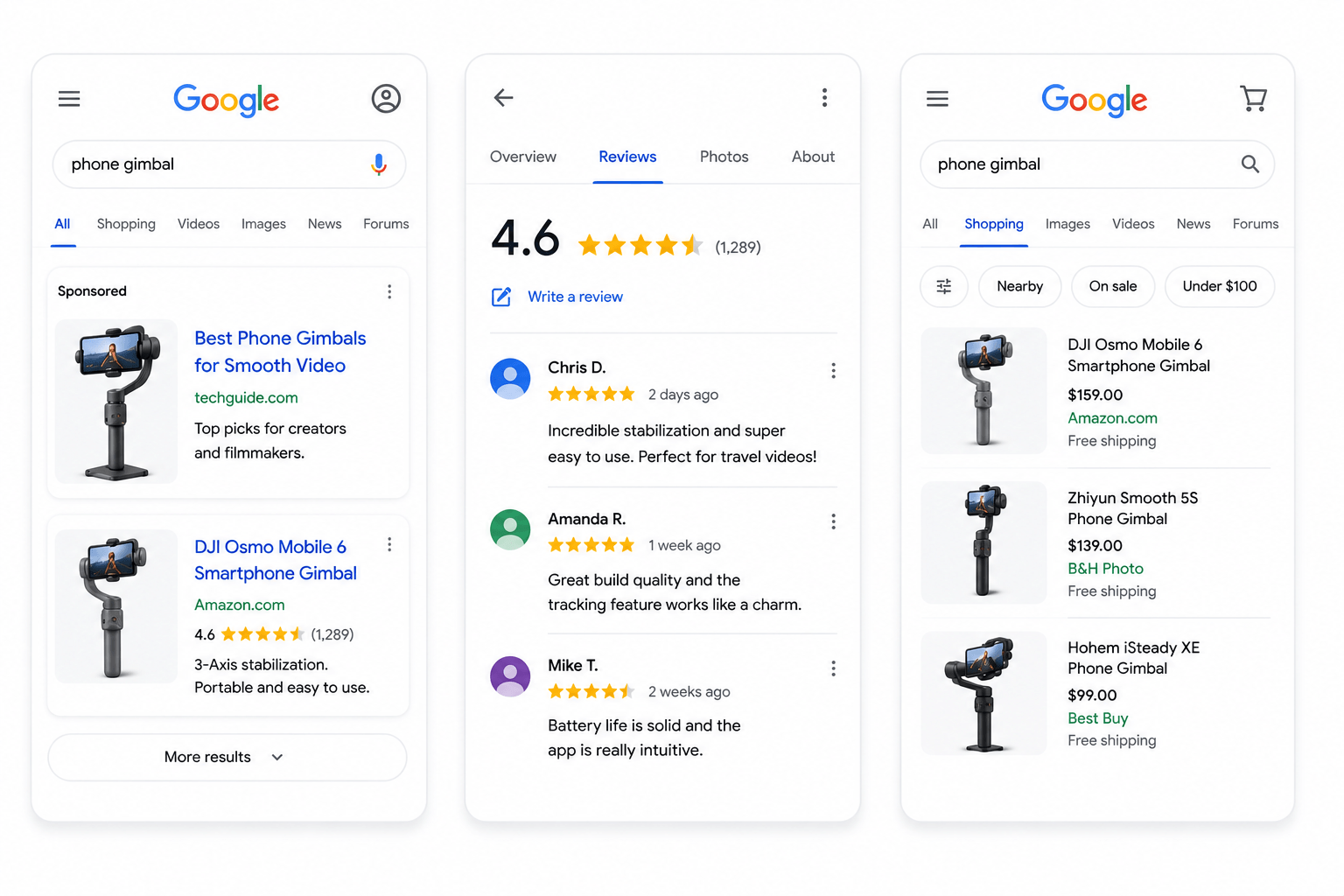
Google can answer a question directly or send a person to Maps, YouTube, Shopping, or another Google property. You may still influence the decision even when that person never reaches your site.
What to do now
Look beyond sessions and pageviews. Track calls, form leads, Google Business Profile actions, map requests, video views, branded searches, and actual sales. Also make sure your search presence earns attention with accurate listings, strong reviews, useful photos, clear titles, and descriptions that sound like your business.
4. AI Search Is More Than ChatGPT
ChatGPT still led the AI category in the US, but Gemini and Claude grew fastest during Q2.
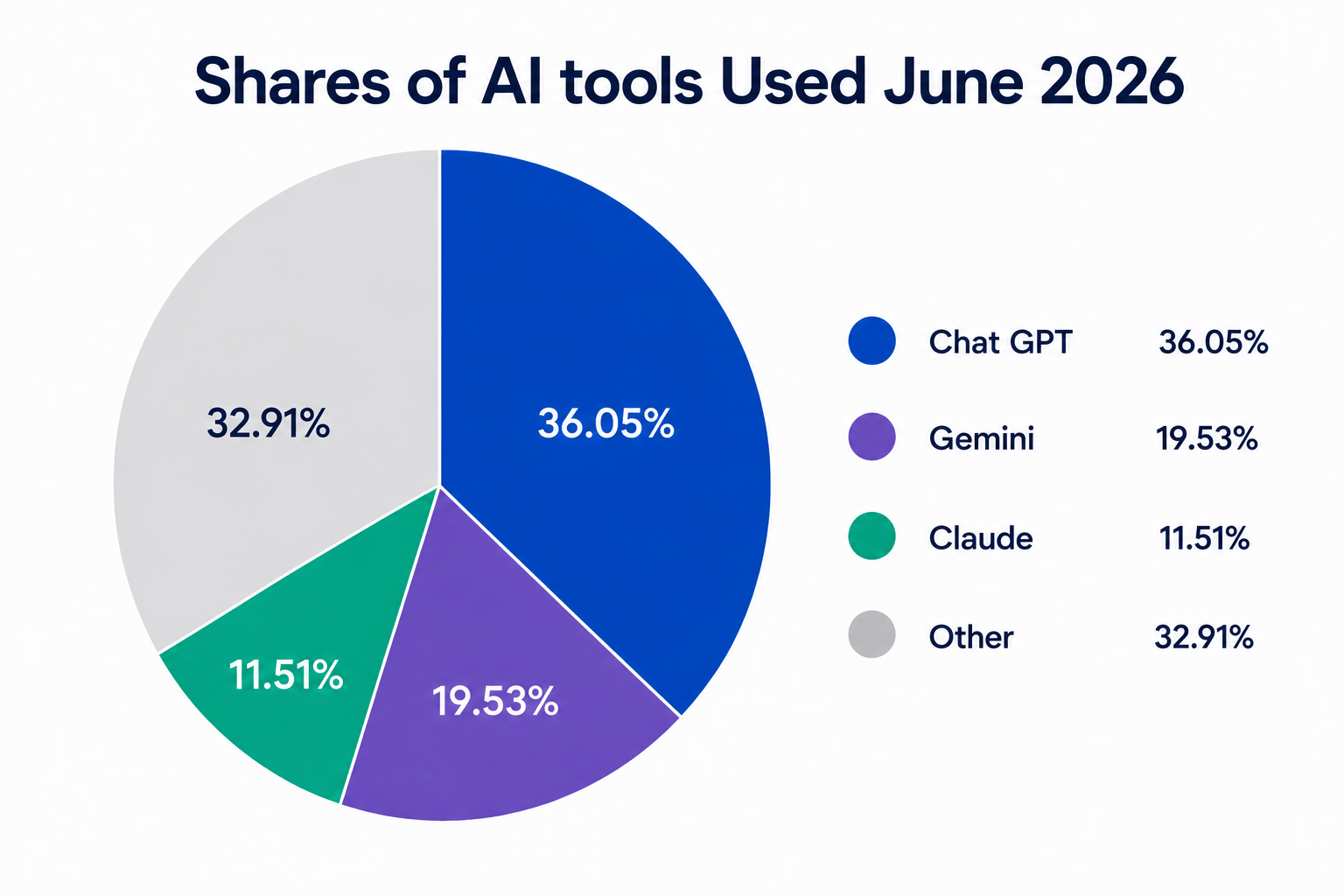
By June, Gemini reached 19.53% of desktop AI users in the US, and Claude reached 11.51%.
The report also found that people were moving between AI assistants.
That means AI discovery is not centered on one platform. Each tool may surface and describe a business differently.
What to do now
Keep your business information consistent wherever customers and platforms may find it. Your website should clearly explain what you do, who you help, where you work, and why someone should trust you. Track AI referral traffic, but do not let a small number of visits distract you from channels that already produce leads.
5. Search Now Continues Across Several Platforms
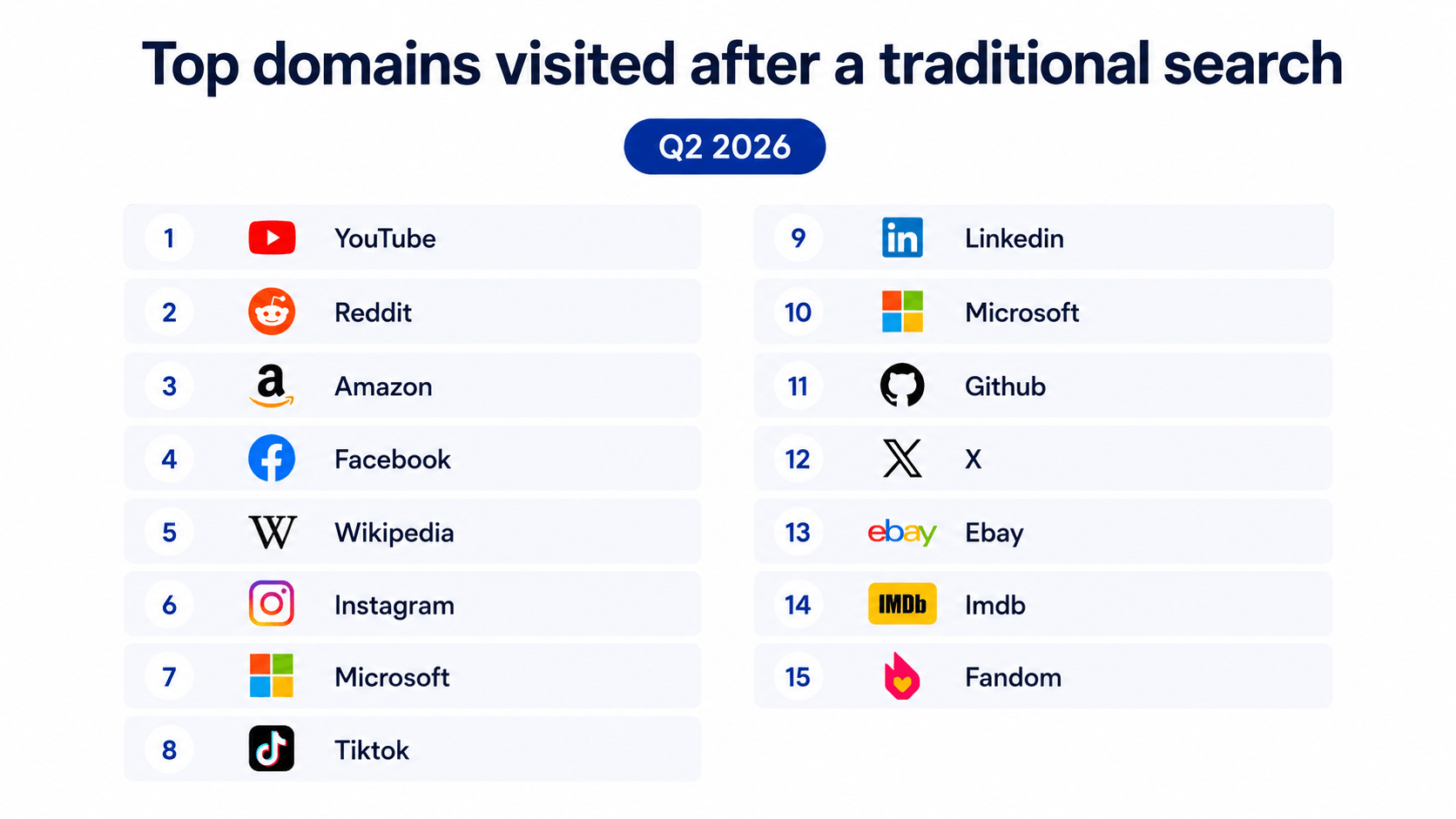
In the US, the six most common destinations after a traditional search remained YouTube, Reddit, Amazon, Facebook, Wikipedia, and Instagram.
ChatGPT moved from ninth to seventh. TikTok, X, and LinkedIn also showed stronger search engagement during Q2.
A customer may start on Google, watch a video, read a Reddit thread, check reviews, and visit your website later. That is one search journey, even though it spans several platforms.
What to do now
Do not open an account everywhere. Find the one or two places your customers actually use to keep researching. A home services company may get more from YouTube and Google Maps. A B2B company may lean on LinkedIn. An e-commerce brand may need stronger marketplace listings and product content.
Choose channels based on customer behavior and your ability to maintain them.
How Digital Division Can Help
For most businesses, the real challenge is deciding where to focus first and how much to invest.
Digital Division can help you:
- Identify how customers find and research your business
- Improve SEO, local search, and paid search performance
- Build content around real customer questions
- Make your website and brand information easier to understand across search and AI tools
- Choose the right mix of video, social, and content channels
- Track leads and revenue in one reporting dashboard
Search is not disappearing. It is spreading across more tools and platforms. Businesses that stay useful, clear, and easy to find will have an advantage, no matter where the customer starts.
Not sure what to tackle first? Digital Division can review your current search presence and help you build a practical plan for the next steps.
Research Source
Q2 2026 State of Search: Behaviors, Trends, and Clicks Across the US & Europe, published by Datos, a Semrush company, with analysis from SparkToro. The report uses anonymized desktop clickstream data from tens of millions of users in the US, EU, and UK and covers April 2025 through June 2026.