

How to Get Found by Local Customers in 2026
Local search visibility isn’t about rankings alone. It’s about showing up at the exact moment local customers are ready to act — in the map pack, Google Maps, and location-based search results.
Nearly 46% of all Google searches have local intent, and most users who perform a local search on their phone take action within 24 hours. If your business isn’t visible, you’re not just missing clicks. You’re missing customers.
In this guide, we’ll share practical, research-backed local search visibility tips based on real-world local SEO data and proven best practices. You’ll learn what actually moves the needle, what to ignore, and how to improve local visibility in ways that drive calls, directions, and real revenue.

What Is Local Search Visibility?
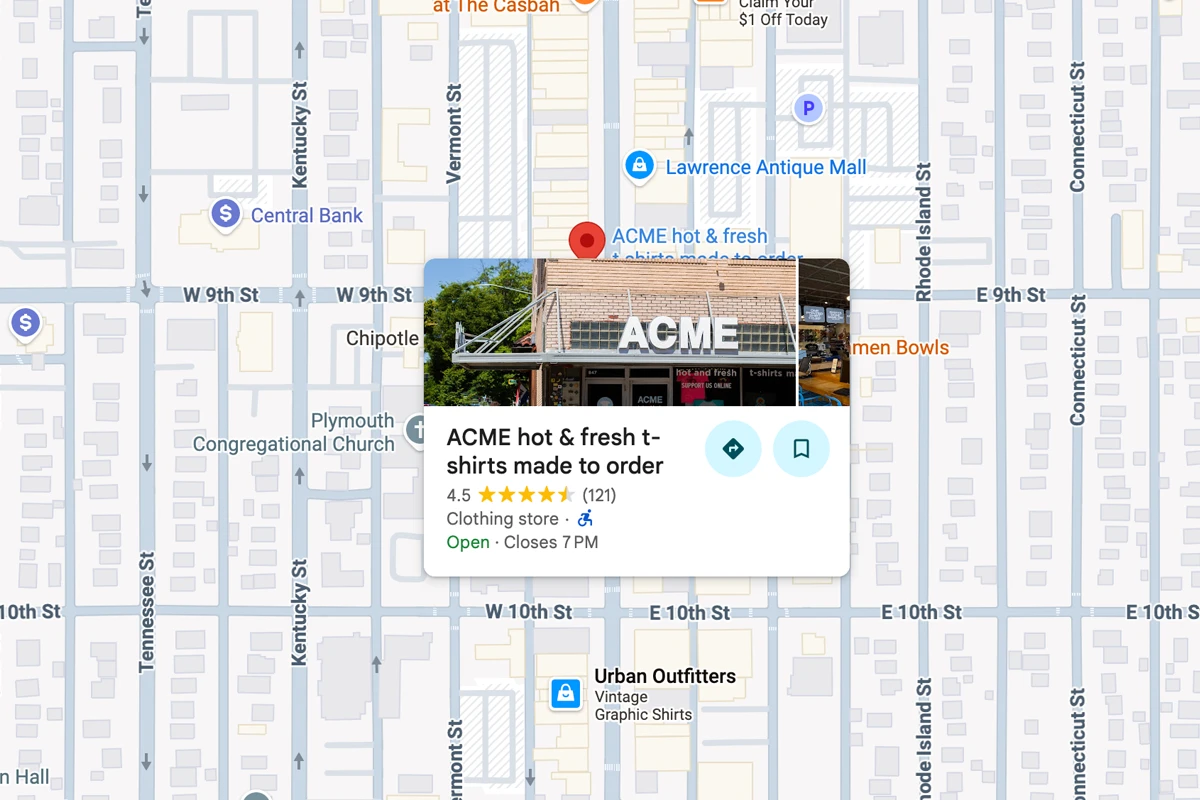
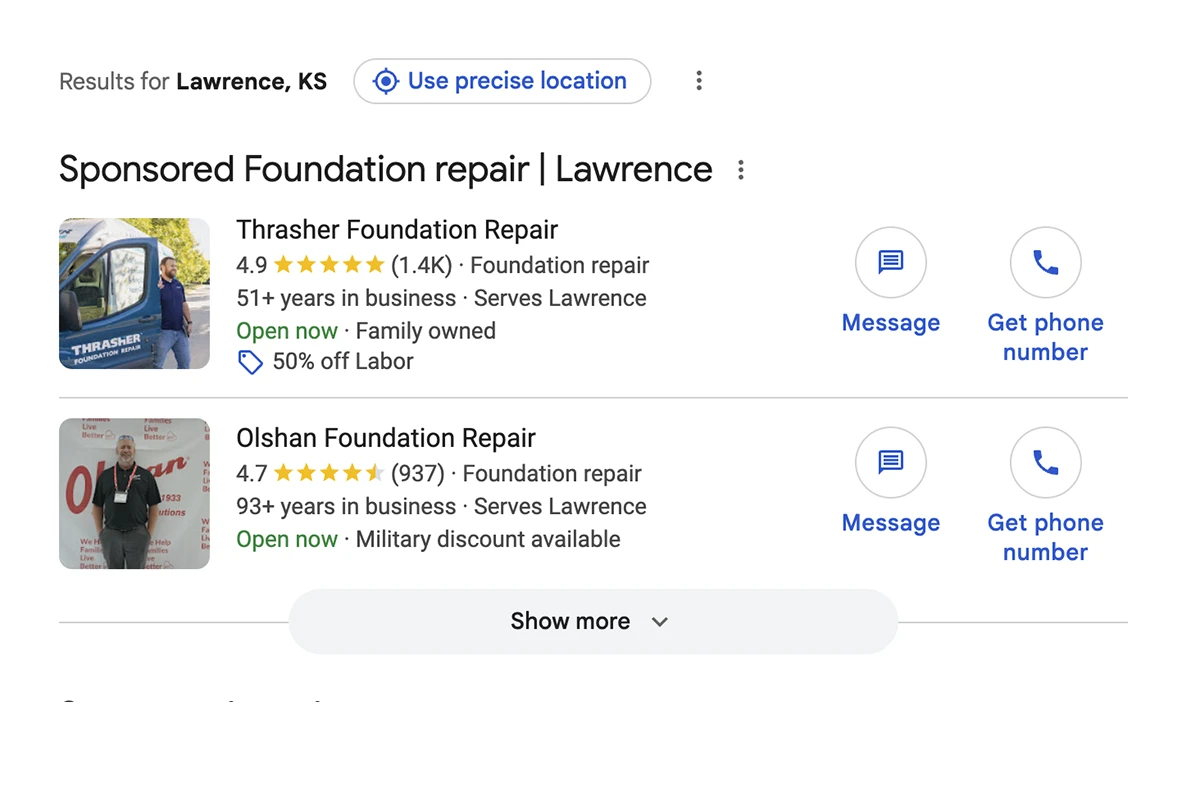
Local search visibility refers to how often — and where — your business appears when people search for local services or products. This includes more than traditional organic rankings. It covers every place a potential customer might see your business during a local search.
Where Local Search Visibility Happens
- Local Pack (Map Pack): The top map-based results shown for local searches
- Google Maps: Searches made directly inside Maps
- Localized Organic Results: Standard search results influenced by location
Being visible in local search means your business shows up consistently and prominently across these areas — not just ranking #1 on a single page.
Local Visibility vs. Local Rankings
Ranking well doesn’t always mean you’re visible. A business can rank organically but miss out on calls and visits if it doesn’t appear in the map pack or Google Maps. Local visibility focuses on real exposure, not just position.
| Result Type | Where It Appears | Why It Matters |
| Local Pack | Top of Google search results | Highest click and call intent |
| Google Maps | Maps app and map results | Directions and phone calls |
| Organic Results | Standard search listings | Long-term authority and relevance |
The goal of local SEO isn’t just rankings. It’s visibility where customers are ready to act.

Why Local Search Visibility Matters More Than Ever
Local search drives action.
Nearly half of all Google searches have local intent. Even more important, users searching for local businesses are not browsing. They’re ready to decide.
Studies show that a large percentage of mobile users who perform a local search visit or contact a business within 24 hours. That makes local visibility one of the fastest paths from search to revenue.
Here’s why local visibility has become critical:
- Search results are more crowded: Ads, map results, and rich features push traditional listings down
- The map pack dominates attention: It often appears before organic results
- Mobile behavior favors speed: Calls, directions, and quick decisions happen directly from search
If your business doesn’t appear in high-visibility local results, potential customers will choose a competitor who does — even if your services are better.
Local SEO isn’t just about traffic anymore. It’s about being present at the exact moment a customer is ready to act.
How Google Determines Local Rankings
Google uses a different system for local results than traditional organic search. These signals work together to decide which businesses appear in the local pack and Google Maps.
Relevance
Relevance measures how closely your business matches what someone is searching for. Google looks at signals like:
- Your primary and secondary business categories
- The services listed on your Google Business Profile
- On-page content that clearly explains what you offer
If Google can’t confidently understand what your business does, it won’t show you for high-intent local searches.
Proximity
Proximity is distance. Google considers how close a business is to the searcher’s location or the location used in the query. This factor cannot be optimized away.
You can’t rank across an entire city if your business is physically far from the searcher. The goal is not to beat proximity, but to be the best option within it.
Prominence
Prominence reflects how well-known and trusted your business appears online.
This includes:
- Customer reviews and ratings
- Links from other websites
- Mentions of your business across the web
- Engagement signals like clicks, calls, and directions
Strong prominence helps Google feel confident recommending your business — even in competitive local markets.
Understanding these three factors is critical. Every local search visibility strategy ties back to relevance, proximity, or prominence in some way.
The Most Important Local Search Visibility Factors
Local search visibility is not driven by a single tactic. It’s the result of multiple signals working together. Some carry more weight than others, but all of them influence whether your business appears — or gets filtered out. Below are the local SEO factors that most consistently impact visibility in the local pack and Google Maps.
Your Google Business Profile is the most influential local ranking asset you control.
For many local searches, Google relies more heavily on your Business Profile than your website when deciding who appears in the map pack.
The most crucial Google Business Profile ranking signals include:
- Primary business category: Often cited as the strongest single local ranking factor
- Secondary categories: Expand visibility for related services
- Business description: Helps reinforce relevance and context
- Services and products: Clarify offerings and improve match accuracy
- Photos and videos: Increase engagement and trust signals
- Questions and answers: Reduce uncertainty for searchers
- Profile activity: Ongoing updates signal legitimacy and freshness
A well-optimized profile sends clear relevance signals. A neglected one creates doubt.
Even strong websites struggle to rank locally without a complete, accurate, and active Google Business Profile.
Reviews are one of the strongest indicators of prominence in local search.
They influence both where your business ranks and whether users choose to click.
Google evaluates review quality and patterns, not just star ratings.
The most important review-related ranking signals include:
- Review quantity: More legitimate reviews increase confidence
- Review velocity: Consistent new reviews matter more than bursts
- Review diversity: Reviews across platforms strengthen credibility
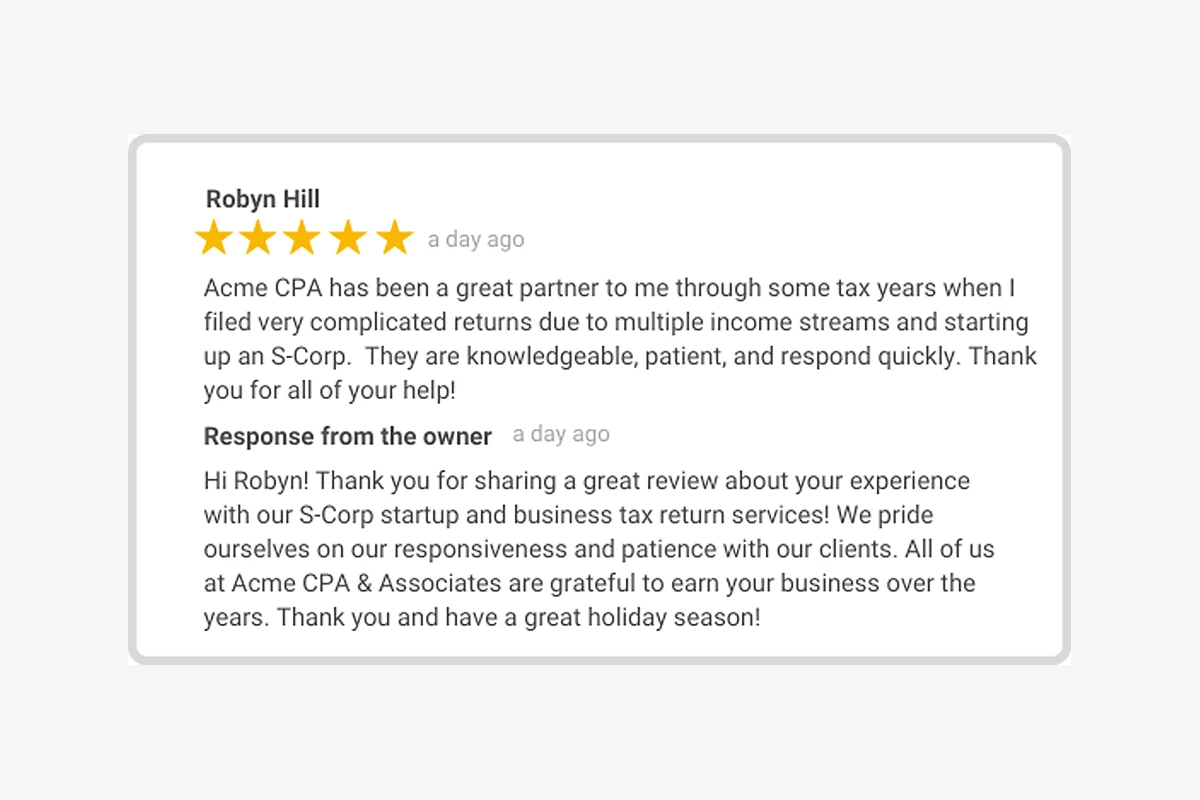
- Review responses: Active engagement signals trust and authenticity
- Keywords used naturally in reviews: Help reinforce relevance
Businesses with steady, authentic review growth tend to outperform competitors with stagnant or inconsistent review profiles.
Ignoring reviews doesn’t just hurt trust. It directly limits local search visibility.
Your website still matters.
On-page local SEO helps Google confirm that your business is relevant for specific services and locations.
Strong on-page signals include:
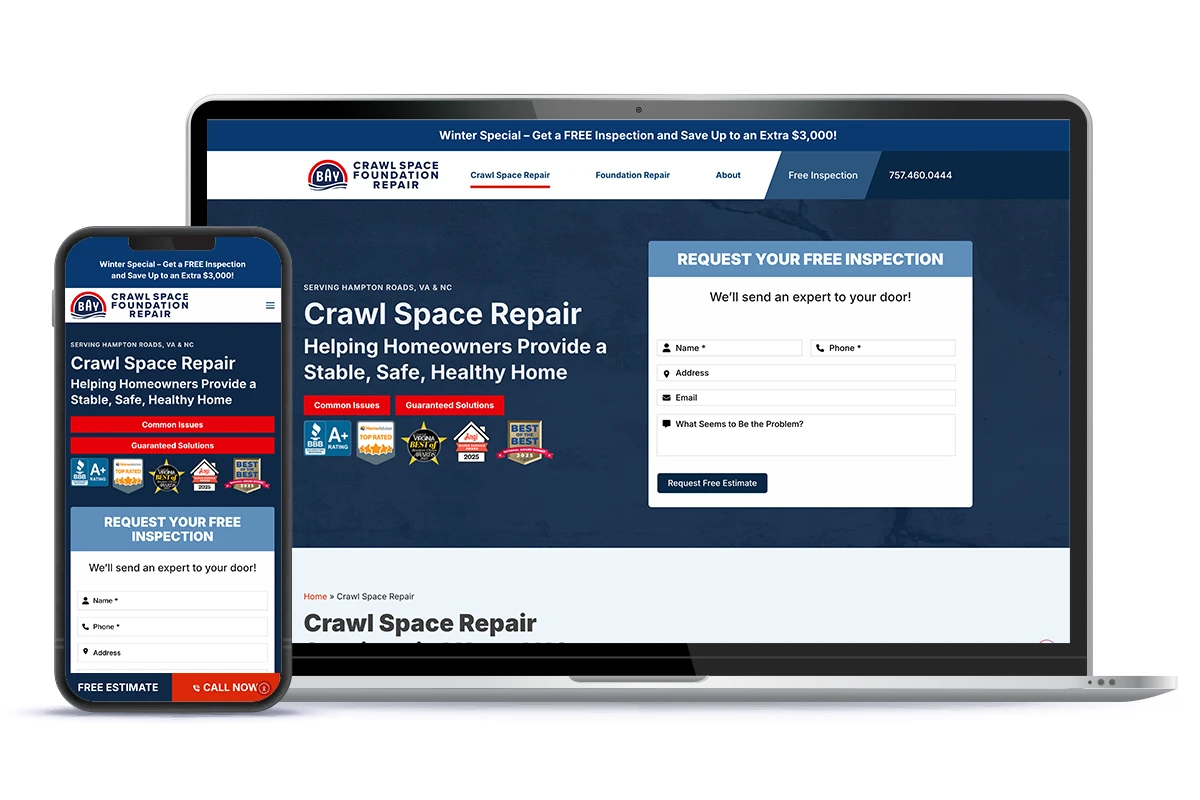
- Clear service-focused page titles and headings
- Dedicated pages for core services
- Location-aware content that avoids keyword stuffing
- Internal links pointing to important local pages
If your site is vague or generic, Google has less confidence showing it for competitive local searches.
Links and mentions help establish prominence.
For local SEO, quality matters more than volume.
High-impact signals include:
- Links from local organizations, partners, or media
- Industry-relevant websites
- Consistent business name, address, and phone number across directories
Inconsistent citations create trust issues. Clean, accurate listings reinforce legitimacy.
No single factor guarantees visibility. But when these signals work together, local rankings become much easier to earn.
“Near Me” Searches: What Actually Helps You Rank
“Near me” searches don’t work the way many businesses think they do. Google does not require the phrase “near me” to appear on your website or in your Google Business Profile. In fact, adding it rarely helps. Instead, Google uses location signals and behavioral data to determine which businesses are closest and most relevant to the searcher.
What actually influences visibility
for “near me” searches:
- Proximity to the searcher: Distance remains a primary filter
- Accurate business categories: Help Google understand relevance
- Google Business Profile completeness: Strong profiles perform better
- Reviews and engagement: Clicks, calls, and directions reinforce prominence
- Consistent business information: Clean data builds trust
Common “near me” mistakes to avoid:
- Adding “near me” to page titles or business names
- Keyword stuffing service pages
- Creating thin location pages with no value
If your business is close, relevant, and trusted, Google already treats you as a “near me” result. The focus should be on strengthening local signals — not forcing keywords that users never actually type.
Actionable Local Search Visibility Tips
Small improvements can create meaningful visibility gains.
These local search visibility tips focus on actions that consistently improve presence in the map pack and Google Maps.
- Choose the most accurate primary business category
Your primary category has a major impact on which searches you appear for. Choose relevance over reach. - Add new photos to your Google Business Profile regularly
Fresh photos signal activity and improve engagement. - Build service-specific pages on your website
One generic services page limits relevance. Individual pages help Google match intent. - Ask for reviews consistently
A steady flow of reviews matters more than occasional spikes. - Respond to every review
Engagement signals trust to both users and Google. - Audit and clean up business listings
Inconsistent name, address, or phone data can suppress visibility. - Strengthen internal linking
Help Google understand which pages are most important. - Track visibility, not just rankings
Monitor calls, direction requests, and map impressions — not only keyword positions.
These steps won’t replace long-term strategy. But they do create momentum — especially in competitive local markets.

Common Local SEO Mistakes That Hurt Visibility
Local search visibility can drop even when the basics seem right.
Many businesses unknowingly send negative signals that limit how often they appear in the local pack.
Common mistakes include:
- Keyword-stuffing the business name: Violates guidelines and increases suspension risk
- Ignoring reviews: Lack of engagement weakens prominence signals
- Using virtual offices or shared spaces: Often filtered out of local results
- Inconsistent business information: Conflicting name, address, or phone data erodes trust
- Thin service or location pages: Low-value pages fail to establish relevance
Fixing these issues often produces faster gains than adding new tactics.
How to Measure Local Search Visibility (Beyond Rankings)
Rankings alone don’t show the full picture. Local visibility is better measured by real-world actions and exposure.
Key metrics to track:
| Metric | What It Shows | Why It Matters |
| GBP Impressions | Search exposure | Visibility trends |
| Calls | Buyer intent | Lead quality |
| Directions | Visit intent | Offline conversions |
| Map Pack Presence | Competitive position | Revenue impact |
Measuring visibility this way keeps strategy focused on outcomes, not vanity metrics.
When to Invest in Professional Local SEO
Local SEO becomes more complex as competition increases.
Professional support is often worthwhile when:
- You operate in a crowded or competitive market
- Your visibility has plateaued despite optimization
- You manage multiple business locations
- Algorithm updates cause sudden ranking drops
At this stage, advanced local SEO strategies and consistent execution matter more than quick fixes.
Businesses looking to scale visibility and performance often benefit from structured local SEO services tailored to their market.
FAQ: Local Search Visibility Questions
No. It increases risk and rarely delivers long-term gains.
Google’s Business Profile guidelines require businesses to use their real-world business name only. Adding keywords like services or locations violates those rules and can trigger listing suspensions or forced name edits.
Industry case studies consistently show that businesses using stuffed names may see short-term visibility, followed by ranking loss or removal once Google applies manual or algorithmic enforcement.
Your Google Business Profile category selection.
Research and testing consistently show that the primary business category is one of the strongest local ranking signals. It directly influences which searches your business is eligible to appear for.
An incorrect category can suppress visibility even if everything else is optimized.
There is no fixed number.
Visibility improves with:
- Consistent review growth
- Legitimate, detailed feedback
- Recent reviews
Businesses with steady review velocity often outperform competitors with higher total review counts but inactive profiles.
Yes — when they appear naturally.
Google can extract contextual relevance from review content. Forced or incentivized keyword reviews should be avoided, but natural mentions of services reinforce relevance signals.
No.
Google determines “near me” results using proximity, relevance, and prominence — not keyword usage. Adding the phrase to titles or content provides little benefit and can reduce quality.
It depends on competition and current signals.
Small improvements like profile optimization or review growth can impact visibility within weeks. Competitive markets often require several months of consistent effort.

Local Visibility Drives Local Revenue
Local search visibility is earned through clarity, consistency, and trust.
Businesses that focus on strong Google Business Profiles, steady reviews, and clear service signals consistently outperform competitors relying on shortcuts.
The goal isn’t to rank everywhere.
It’s to show up where customers are ready to act — and make it easy for them to choose you.
DIGITAL MARKETING SOLUTIONS
Relax.
You've got a digital marketing partner.
Digital Division is a marketing agency with solutions that can help you generate leads and transform your business.