

PPC Landing Page Optimization Tips That Actually Increase Conversion Rates
Paid traffic is getting more expensive.
Competition is tighter. And in most industries, you don’t win Google Ads by bidding harder — you win by converting better.
That’s where PPC landing page optimization makes the biggest impact.
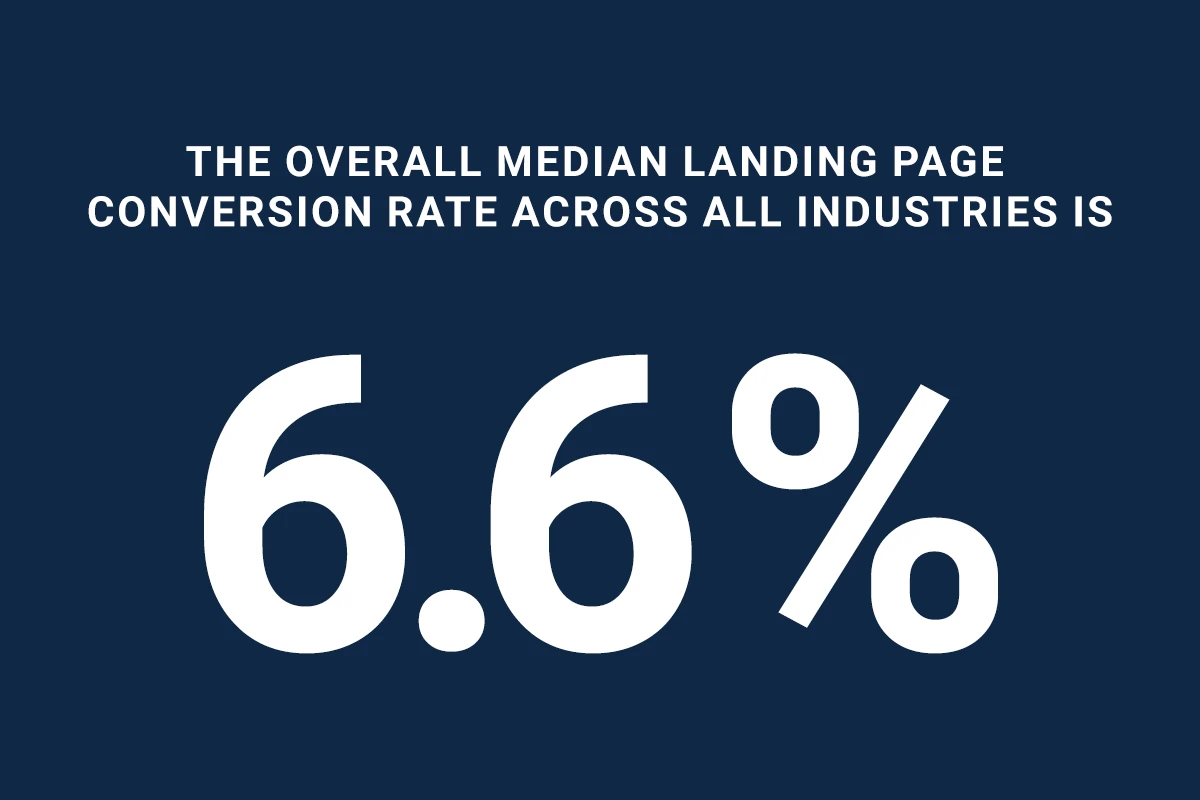
According to Unbounce’s Q4 2024 benchmark report, the median landing page conversion rate across industries is 6.6%, based on data from 41,000+ landing pages, 464 million visits, and 57 million conversions. In other words:
- If your page is converting at 3–4%, you’re not broken — you’re average
- If you can push that number to 7–10%, you unlock a serious competitive advantage


For PPC advertisers, especially in competitive markets, landing page performance directly affects cost per lead, bidding power, and long-term scalability. A small lift in conversion rate doesn’t just improve efficiency — it changes what’s possible inside your account.
In this guide, we’ll break down proven PPC landing page optimization tips, backed by real-world data and battle-tested layouts, so you can turn more clicks into leads without increasing ad spend.
Why PPC Landing Pages Are Worth the Effort (Real Results)
Before we get into strategy, let’s talk about results.
Because this isn’t theoretical.
When you switch from sending PPC traffic to standard website pages… to purpose-built landing pages… the impact can be immediate.
We’ve seen it firsthand.
Here’s what happened in one account after introducing dedicated PPC landing pages:
Foundation Repair Landing Page vs. Standard Service Page
- Conversion Rate: 13.2% vs. 6.25%
- Conversions: 29 vs. 2
- Quality Score: Increased from 5.5 to 6.3
Basement Waterproofing Landing Page vs. Standard Service Page
- Conversion Rate: 13.46% vs. 3.92%
- Conversions: 10.5 vs. 1.92
- Quality Score: Increased from 5.7 to 6.0
Floor Coatings Landing Page vs. Standard Service Page
- Conversion Rate: 7.97% vs. 0.72%
- Conversions: 16.5 vs. 0.5
- Quality Score: Increased from 5.5 to 5.9
Now zoom out for a second.
This wasn’t a small lift.
- Conversion rates more than doubled — and in one case, increased over 10x
- Lead volume jumped significantly — without increasing traffic
- Quality Scores improved, helping overall campaign efficiency
That’s the difference between a page that explains your service… and a page that’s built to convert paid traffic.
And this is why PPC landing pages matter.
They don’t just make your campaigns “better.”
They change the math entirely.
Once you see results like this, landing pages stop feeling like an extra step… and start becoming one of the highest-leverage improvements you can make in your account.
Ready to see how PPC landing pages can work for you?
What Is PPC Landing Page Optimization?
PPC landing page optimization is the process of improving a page specifically designed for paid traffic, with one goal: convert visitors into leads or customers as efficiently as possible.
This is not the same as “optimizing a website page.”
A high-performing PPC landing page:
- Exists solely to support a specific ad or keyword group
- Removes distractions that steal attention from the conversion goal
- Matches the intent and language of the ad that drove the click
- Guides users toward a single, clear action
In contrast, most websites are built to serve multiple audiences, goals, and navigation paths. That flexibility is great for organic traffic — but it often kills conversion rates when applied to paid search.

That’s why the highest-performing PPC advertisers don’t send traffic to homepages.
They send traffic to purpose-built landing pages designed around:
One Offer.
One Audience.
One call-to-action.
When landing page optimization is done correctly, it doesn’t just increase conversions. It also:
Lowers cost per lead.
Improves Google Ads performance by generating more conversion data.
Allows advertisers to bid more aggressively while staying profitable.
Next, we’ll look at what “good” actually looks like, using real landing page conversion rate benchmarks by industry — and how to set realistic targets for your own campaigns.
PPC Landing Page Conversion Benchmarks by Industry
Before you optimize anything, it helps to know what you’re optimizing toward.
One of the biggest mistakes we see with PPC landing pages is unrealistic expectations. A “good” conversion rate isn’t universal — it depends heavily on your industry, offer complexity, and buying intent.
To ground this in real data, Unbounce analyzed 41,000+ landing pages, representing 464 million visits and 57 million conversions, to establish median conversion rate benchmarks by industry. The overall median landing page conversion rate across all industries is 6.6%.
That median is important. It means half of all landing pages convert below 6.6%, and half convert above it. Optimization is how you move out of the middle.
Median Landing Page Conversion Rates
by Industry
How to Use These Benchmarks
(Without Misreading Them)
These numbers aren’t targets — they’re context.
For example:
- A 4% conversion rate for an ecommerce PPC landing page can be competitive
- A 4% conversion rate for a legal or local service landing page often signals missed opportunities
- Industries with higher urgency or clearer intent tend to convert higher, assuming friction is removed
If you’re running PPC for service-based businesses, especially local services, the takeaway is simple:
Most pages underperform not because the traffic is bad, but because the page isn’t doing its job.
That’s why many well-optimized PPC landing pages, particularly in lead-generation categories, consistently outperform these medians and convert in the 8–10% range or higher when built around proven principles.
The next step is understanding why those pages work and why conversion decisions are often made in just a few seconds.

Ready to see how PPC landing pages can work for you?
Why PPC Landing Pages Win or Lose in the First Few Seconds
When someone clicks a PPC ad, they don’t arrive curious — they arrive impatient.
They’ve just compared multiple ads, scanned headlines, and made a split-second decision to click. The moment your landing page loads, they’re subconsciously asking three questions:
- Am I in the right place?
- Can I trust this business?
- What do you want me to do next?
If your page doesn’t answer those questions almost immediately, the click is gone.
This is why PPC landing page optimization is heavily weighted toward above-the-fold performance. In paid traffic, you rarely get a second chance to make a first impression.


The 3-Second Reality of PPC Traffic
Multiple usability and performance studies show that users form opinions about a page extremely quickly. On mobile in particular, slow or cluttered pages lose visitors before content even has a chance to work.
Google’s mobile performance research found that as page load time increases from 1 second to 10 seconds, the probability of a bounce increases by 123%. Even more telling: for 70% of mobile landing pages analyzed, above-the-fold content took more than five seconds to fully render.
For PPC advertisers, that means:
- You can lose the conversion before the headline is readable
- Forms, trust signals, and CTAs that load late don’t get seen
- Every unnecessary element increases friction
This is why high-converting PPC landing pages tend to look simple, even “boring.” They’re not trying to impress — they’re trying to convert quickly.
Above the Fold Is Where Conversions Are Won
Across thousands of high-performing PPC landing pages, one pattern shows up again and again:
If the page converts, it usually converts without scrolling.
That doesn’t mean the rest of the page doesn’t matter. It means the decision to stay or leave happens immediately.
Google’s research also shows that as the number of page elements increases from 400 to 6,000, the probability of conversion drops by 95%. More options, more images, more copy — all of it adds cognitive load at exactly the wrong moment.
The best PPC landing pages reduce this friction by focusing the first screen on just a few critical elements:
- A clear, benefit-driven headline
- A visible and compelling call to action
- Immediate trust signals
- A layout that guides the eye, not distracts it
Everything else supports those goals — not competes with them.


Why This Matters More for PPC Than Any Other Channel
Organic visitors may browse. Email subscribers already trust you. Social traffic might be casually curious.
PPC visitors are different.
They cost money every time they arrive, and they’re often comparing you directly against competitors bidding on the same keywords. If your page feels confusing, slow, or generic, the back button is one click away.
This is why improving above-the-fold performance is often the fastest way to increase conversion rates — sometimes without changing anything else in the Google Ads account.
The Proven PPC Landing Page Formula (Used by 8–10%+ Converting Pages)
If you look at PPC landing pages that consistently convert in the 8–10% range or higher, something interesting stands out.
- They don’t look wildly creative.
- They don’t reinvent the wheel.
- And they almost always follow the same structural formula.
That’s not coincidence.
After years of testing across competitive PPC markets, especially in lead-generation and local service campaigns, a clear pattern has emerged: focus beats flexibility every time.
High-performing PPC landing pages are built around a single objective and remove anything that doesn’t support it.
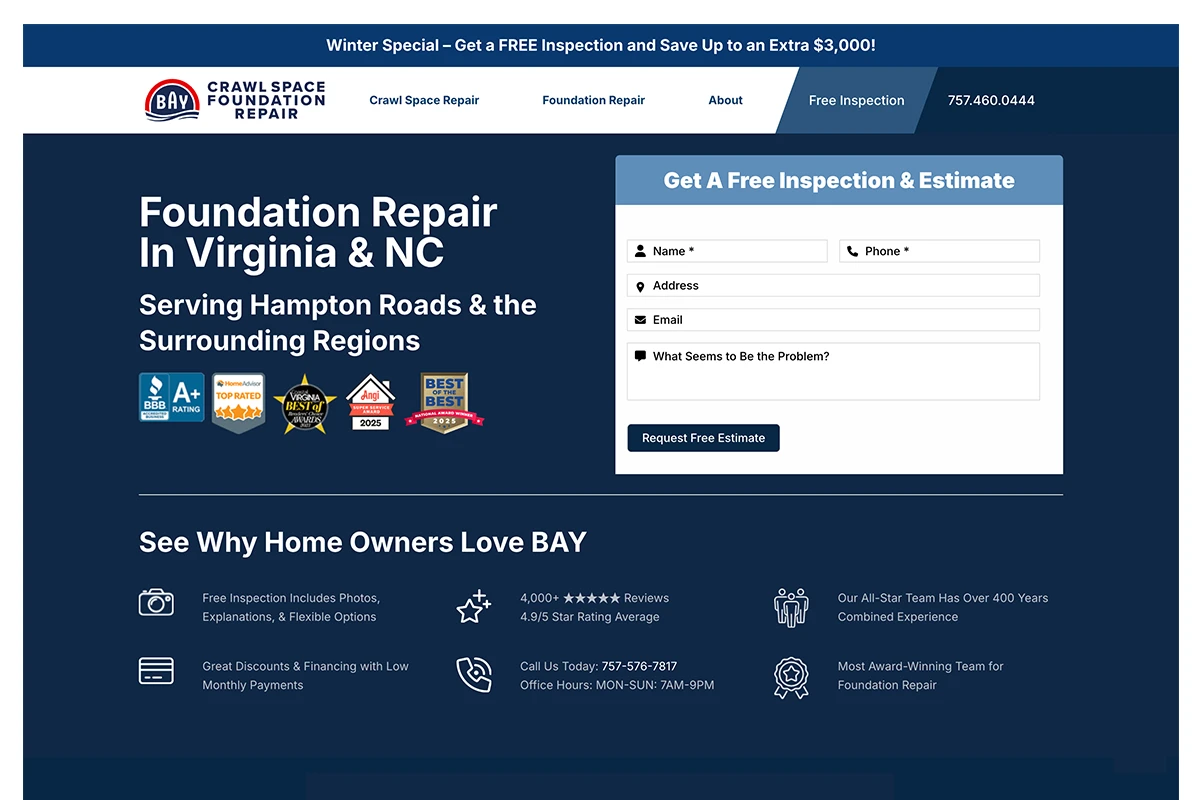
Why High-Converting PPC Landing Pages Aren’t Part of the Main Website
One of the biggest conversion killers in PPC is sending traffic to a page that’s trying to do too much.
Most websites are designed to:
- Educate multiple audiences
- Support SEO goals
- Encourage exploration
- Provide navigation to dozens of pages
That’s exactly what you don’t want for paid traffic.
The best PPC landing pages are typically:
- Standalone pages or isolated templates
- Built without a main navigation menu
- Designed exclusively for a specific campaign or keyword group
Removing navigation might feel counterintuitive at first, but the data consistently supports it. Every additional link gives visitors an excuse to leave without converting. And in PPC, “exploring” usually means exiting.
When you remove navigation, you’re not trapping users — you’re clarifying the path forward.
One Page, One Offer, One Primary Action
High-converting PPC landing pages do not ask users to:
- Read a blog
- Browse services
- Learn about company history
- Decide between multiple offers
They ask users to do one thing.
That might be:
- Request a quote
- Book an inspection
- Make a purchase
- Download pricing
- Schedule a consultation
Everything on the page exists to support that action.
This is especially important when you consider how PPC traffic behaves. Visitors arrive with intent tied to a specific search. If your page introduces new choices, you increase hesitation at the exact moment decisiveness matters most.
The more focused the page, the easier it is for users to say “yes.”
The Core Elements of a High-Converting PPC Landing Page
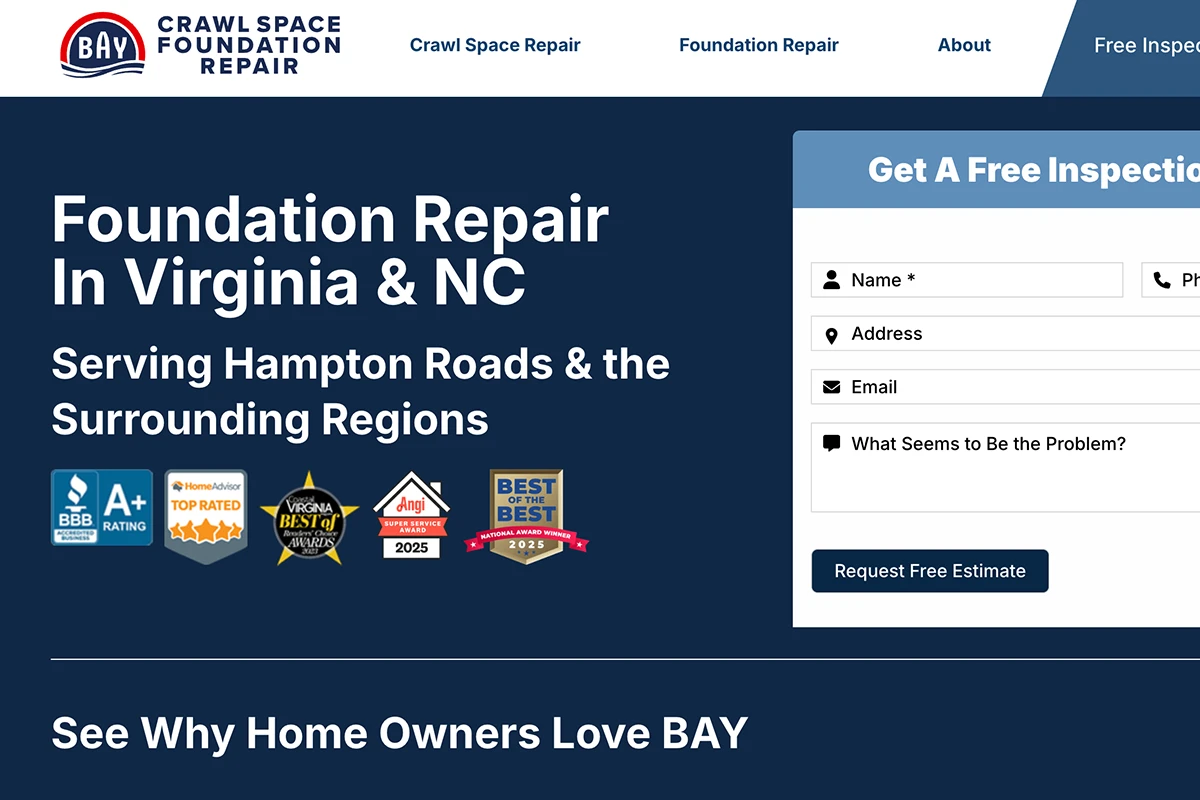
While design styles vary, the pages that consistently outperform benchmarks share the same foundational elements above the fold:
- A clear, benefit-driven headline that confirms relevance
- A visible call to action that stands out immediately
- Trust signals that reduce skepticism quickly
- A layout that guides attention instead of scattering it
This formula has been refined through years of testing, and when pages deviate too far from it, conversion rates tend to drop — even when traffic quality stays the same.
That’s why many PPC landing pages that convert well today look similar to pages that converted well five years ago. The psychology hasn’t changed. The competition has.
Ready to see how PPC landing pages can work for you?
The Hero Section: How to Structure Above-the-Fold Content for PPC Conversions
If PPC landing page optimization had a single choke point, this would be it.
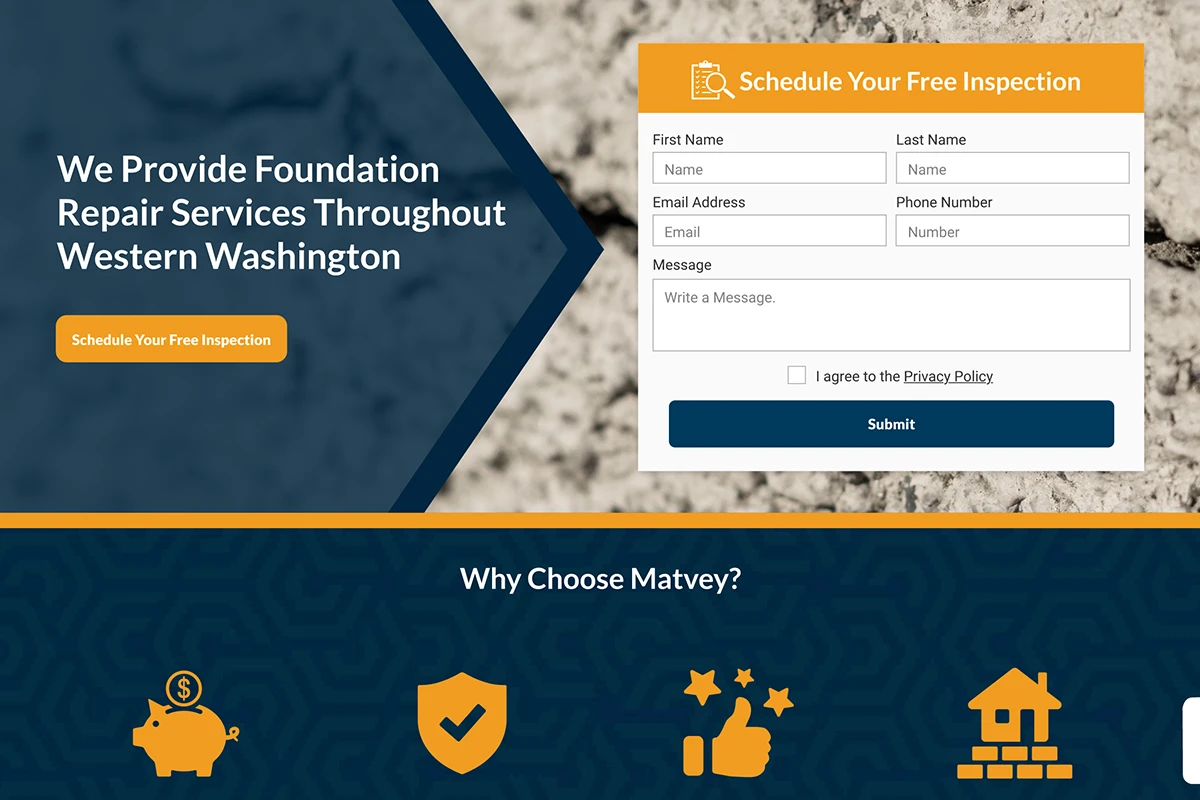
The hero section — everything visible without scrolling — does more conversion work than the rest of the page combined. In many cases, it’s the only part of the page users ever see.
That’s why high-performing PPC landing pages treat the hero section as a conversion system, not a design element.
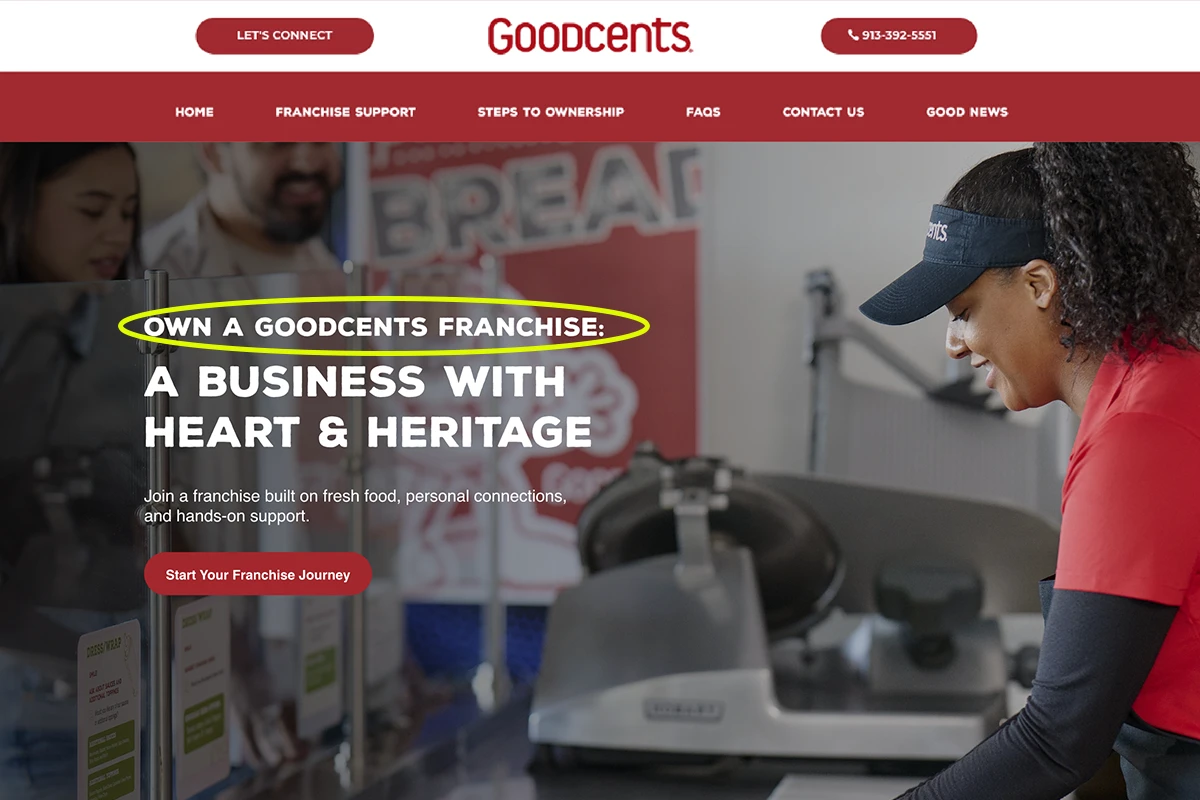
Start With a Headline That Sells the Outcome (Not Just the Service)
One of the most common PPC landing page mistakes is using a headline that simply restates the service:
“Professional HVAC Services”
“Trusted Roofing Company”
“Local Plumbing Experts”
The problem isn’t accuracy. It’s differentiation.
PPC users are already seeing multiple ads offering the same service. When they land on your page, the headline needs to answer one question immediately: why choose you instead of the alternatives?
High-converting PPC headlines typically do three things:
- Confirm relevance to the search
- Emphasize a clear benefit or outcome
- Reduce uncertainty or perceived risk
For example, instead of naming the service, focus on what improves in the customer’s life once the problem is solved. This helps the visitor feel understood and keeps them on the page long enough to convert.
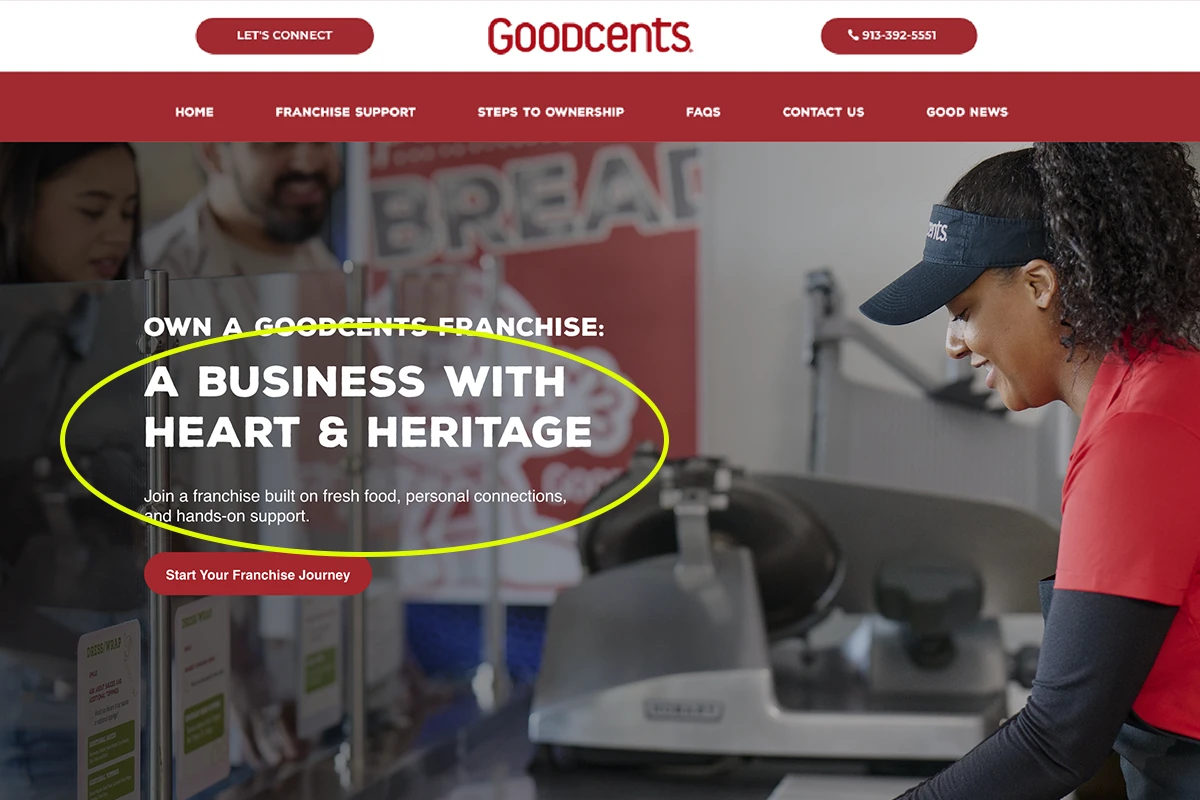
Reinforce the Value With a Secondary Message
Right below the main headline, effective PPC landing pages use a short supporting line to reinforce credibility or expand on the benefit.
This is where you can:
- Clarify what makes your offer different
- Address a common objection
- Add a tangible proof point (experience, guarantee, speed, coverage)
This section doesn’t need to be long. Its job is to remove just enough doubt to justify taking the next step.
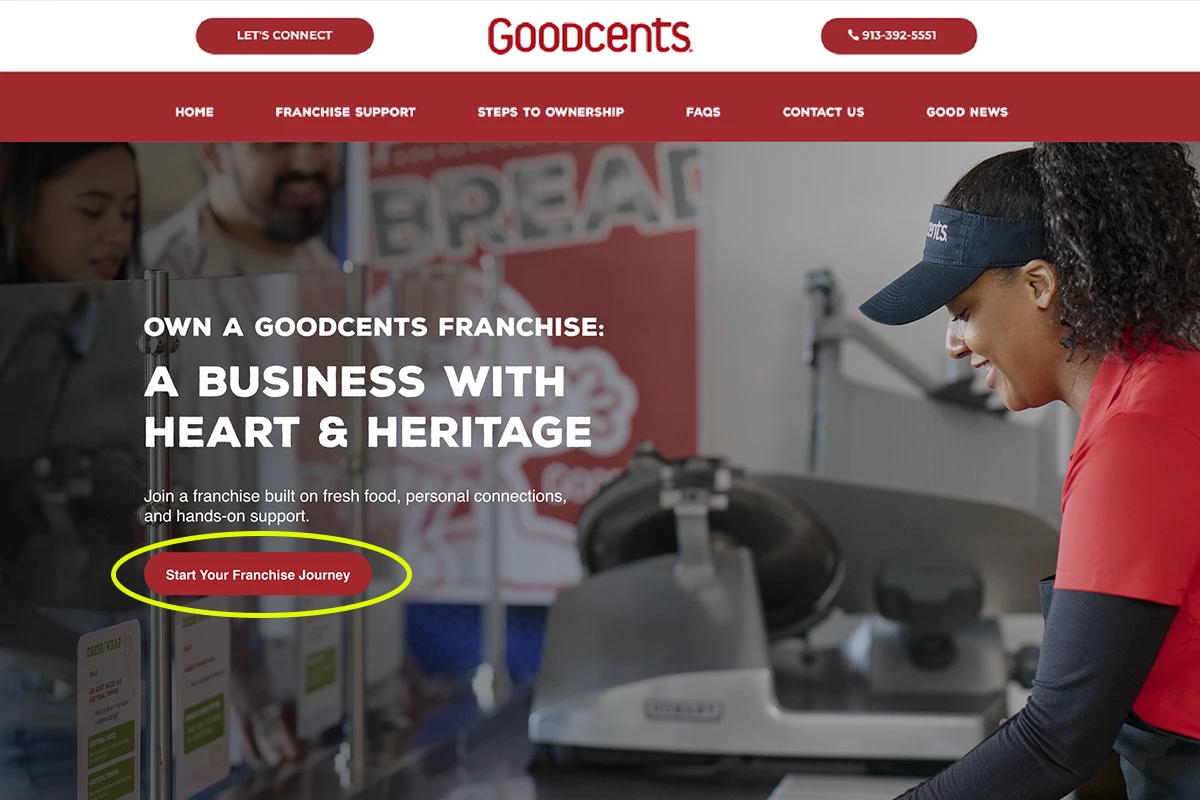
Make the Call to Action Impossible to Miss
If users have to search for your CTA, you’ve already lost the conversion.
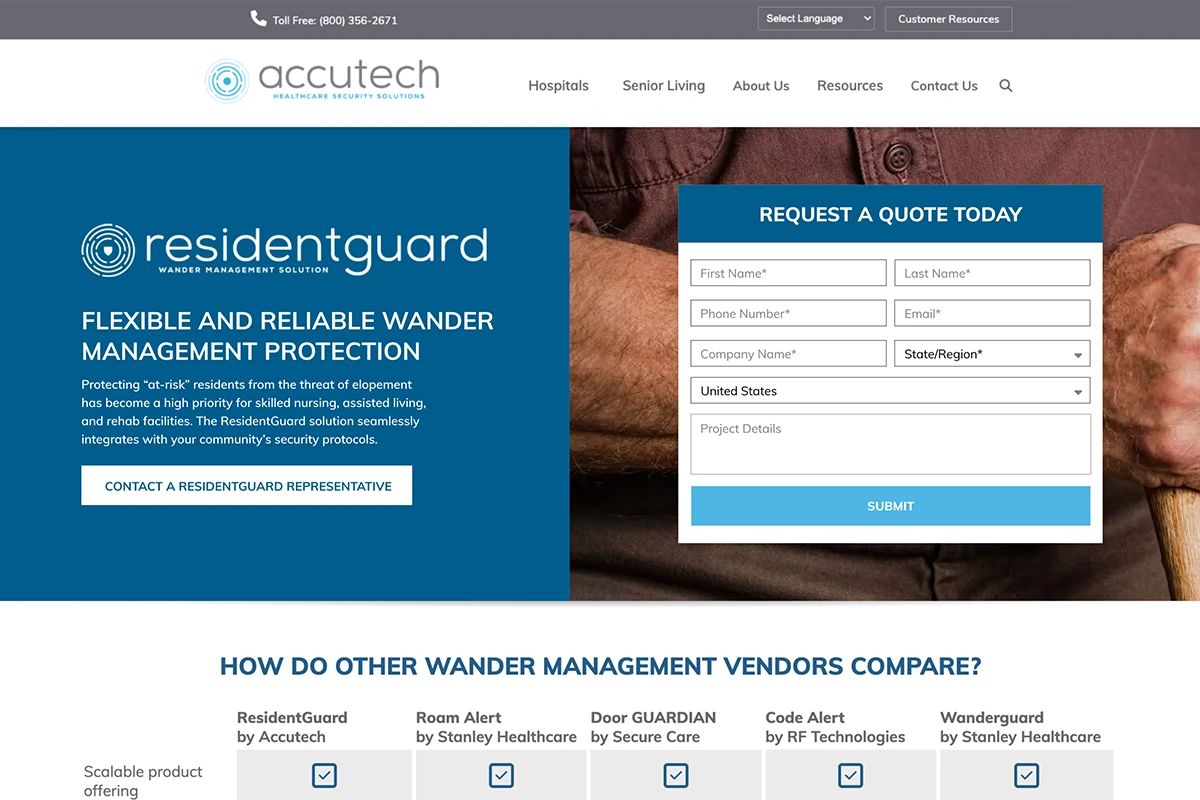
High-converting PPC landing pages place the primary call to action directly in the hero section, visually separated from the rest of the content. This often looks like:
- A form inside a contrasting box
- A prominent button with supporting copy
- A clear phone option for call-driven campaigns
One important pattern shows up repeatedly in testing: generic CTAs underperform.
Buttons that say “Contact Us” or “Submit” ask users to commit without giving them a reason. In contrast, offer-based CTAs reduce friction by clearly explaining what the user gets in return for their information.
Examples of stronger CTA framing include:
- Request pricing
- Get a free inspection
- See available options
- Download details and pricing
The goal isn’t to trick users. It’s to align the CTA with the mindset of someone who is still evaluating options — which is most PPC traffic.
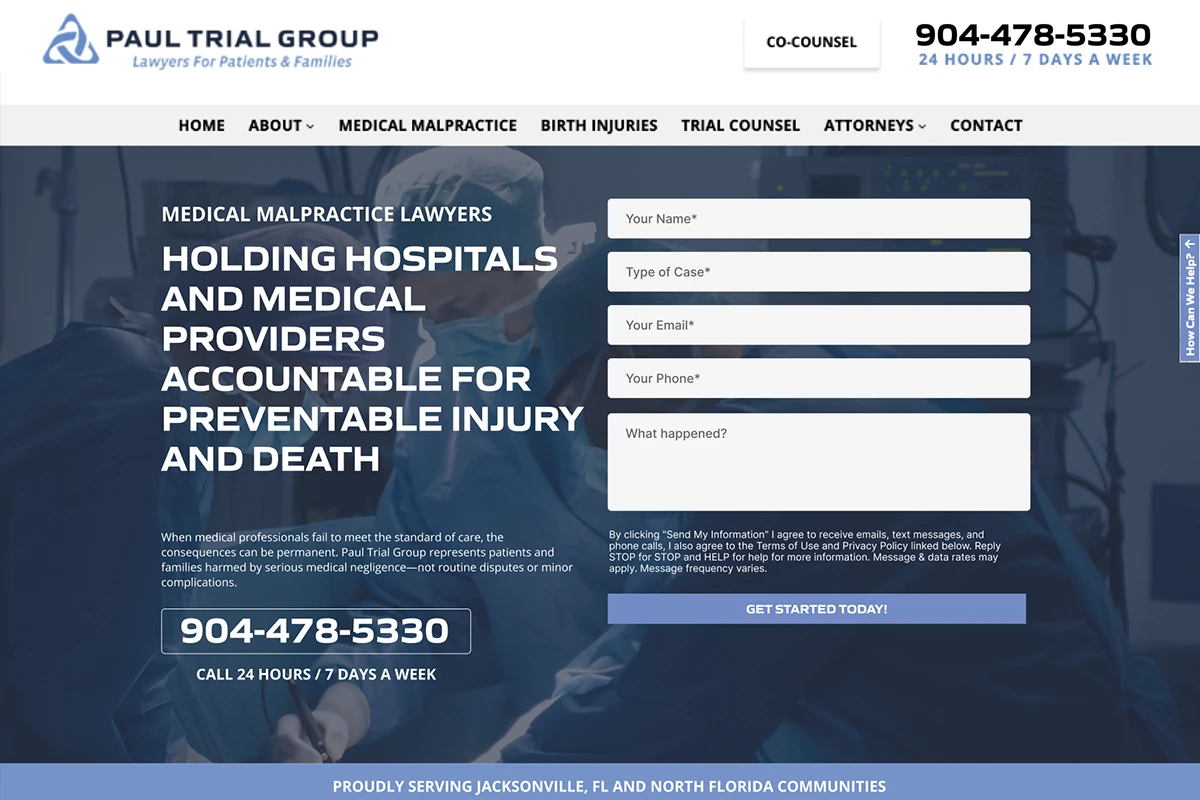
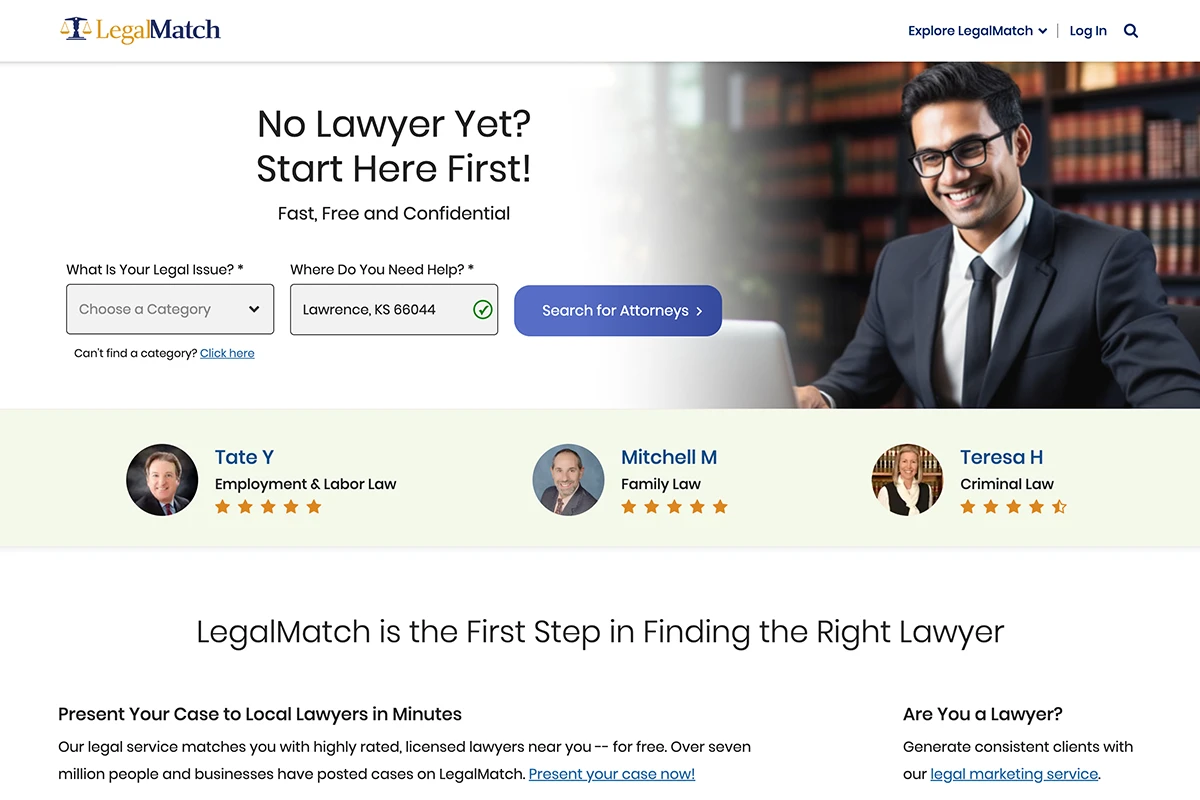
For Local and Service-Based PPC, Put the Phone Number Front and Center
If your business closes leads over the phone, the phone number should not be hidden in the footer.
Local and service-based PPC campaigns consistently benefit from:
- A visible phone number in the hero section
- Click-to-call functionality on mobile
- Clear language that encourages immediate contact
For many users, calling feels faster and more reassuring than filling out a form — especially when the problem is urgent. Making that option obvious removes friction instead of forcing one conversion path.
Add Trust Signals Before the User Scrolls
Trust is not something you build later on a PPC landing page. It has to be established immediately.
Effective hero sections include at least one visible trust signal above the fold, such as:
- Star ratings or review counts
- Short testimonials with names or photos
- Years in business or certifications
- Awards or recognizable badges
This works because PPC users are inherently skeptical. They don’t know you, and they know you paid for the click. Trust signals help neutralize that skepticism before it turns into a bounce.
The Goal of the Hero Section
A well-optimized PPC hero section doesn’t try to close the sale. Its job is simpler:
- Confirm relevance
- Build initial trust
- Make the next step obvious
When those three things happen quickly, conversion rates rise — often without changing traffic quality or ad strategy at all.
PPC Form Optimization: How to Increase Conversions by Reducing Friction
Once a PPC visitor decides to engage, the form becomes the final gatekeeper.
And in many campaigns, that gate is unnecessarily hard to pass.
Form optimization is one of the highest-impact PPC landing page optimization tips because small changes here can produce outsized conversion gains without touching traffic, bids, or keywords.
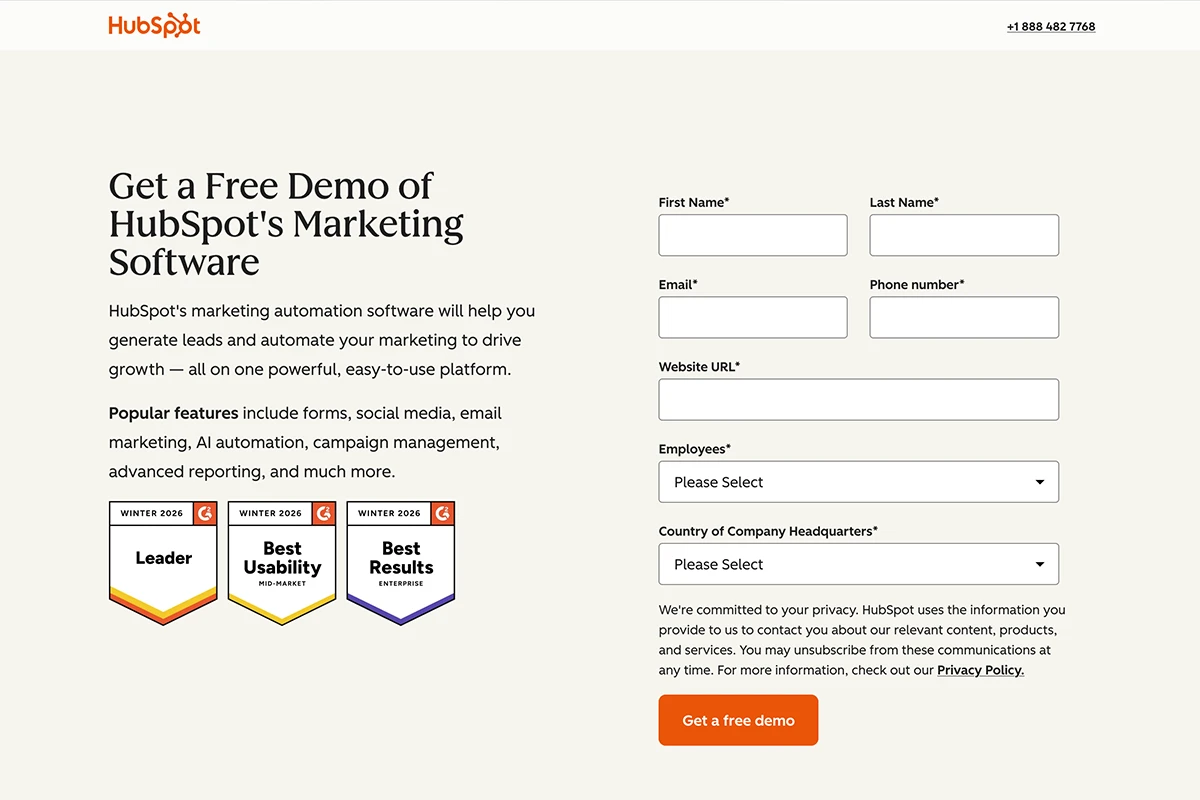
Fewer Fields Almost Always Convert Better
Every additional form field introduces hesitation.
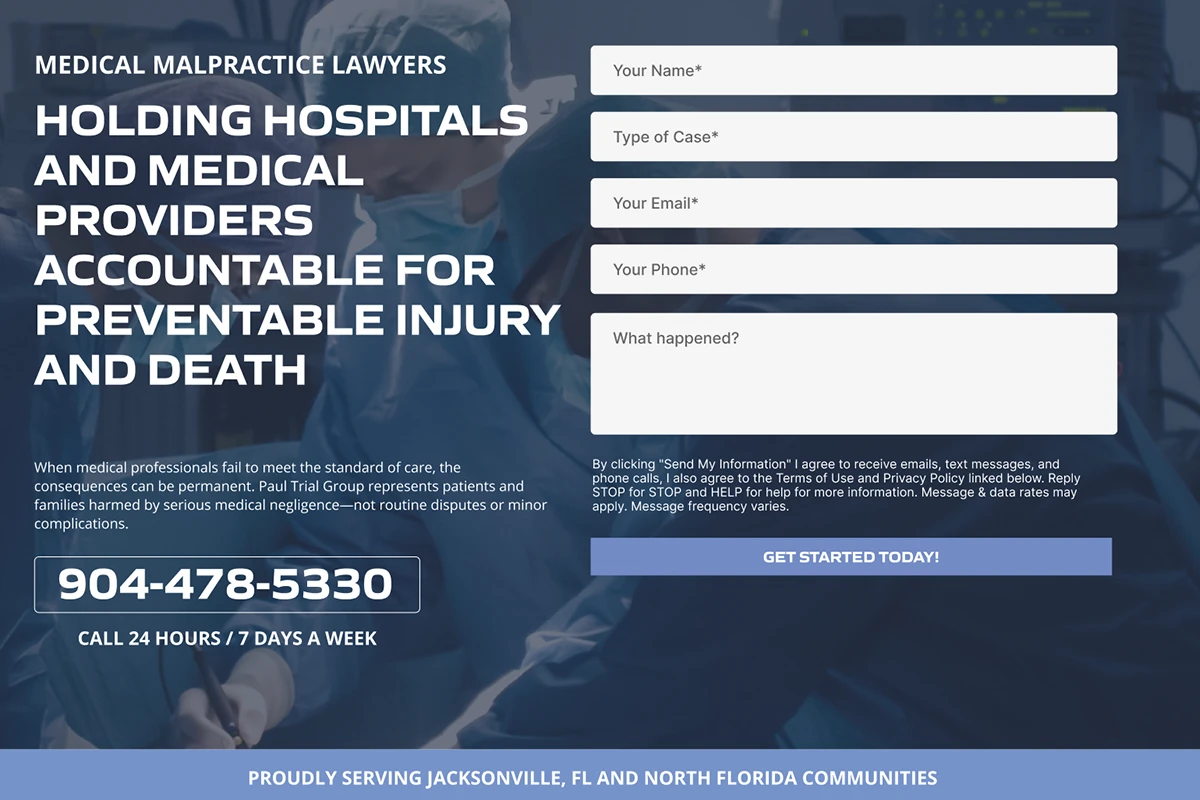
HubSpot analyzed more than 40,000 landing pages and found that conversion rates consistently decline as the number of form fields increases. Short forms — typically around 3 fields — perform best for lead generation, especially when traffic is coming from paid search.
Unbounce has published similar findings, including real-world examples where reducing a form from 11 fields to 4 resulted in a 120% increase in conversions.
For PPC traffic, this matters even more because users are still evaluating options. They haven’t decided you’re “the one” yet — they’re deciding whether the next step feels easy or annoying.
Best practice for PPC forms:
- Ask only for information you truly need to take the next step
- Treat everything else as optional or defer it to a follow-up conversation
Be Careful With Phone Number Fields
Phone numbers are valuable — but they also introduce friction.
Unbounce data shows that adding a phone number field can cause an average conversion rate drop of around 5%, depending on industry and intent. That doesn’t mean you should never ask for a phone number. It means you should be intentional.
If your sales process relies on phone calls:
- Make the phone number field clearly optional
- Explain why you’re asking for it
- Pair the form with a visible click-to-call option
This gives users control and prevents unnecessary abandonment.
“Submit” Is One of the Worst CTA Buttons You Can Use
CTA button text is a small detail that has an outsized psychological effect.
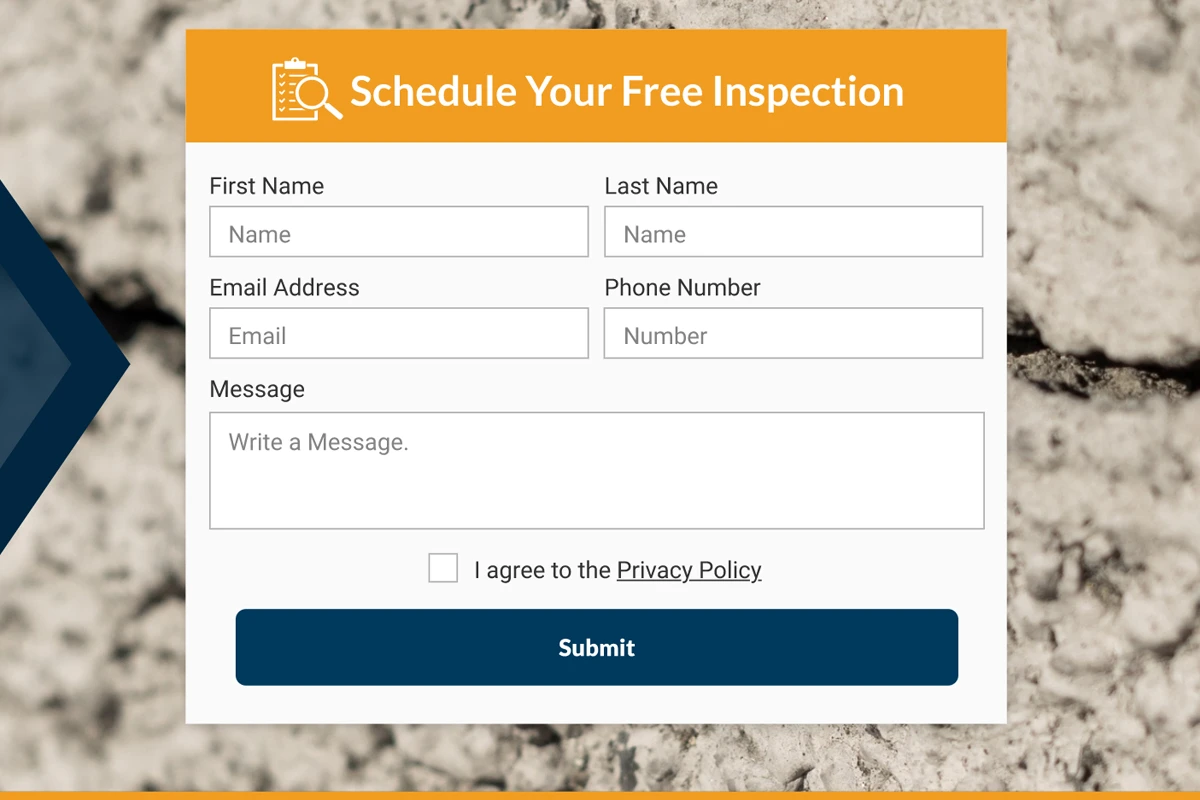
Generic buttons like “Submit” or “Send” don’t communicate value. In fact, Unbounce has found that using “Submit” can reduce conversions by around 3% compared to more descriptive alternatives.
High-converting PPC landing pages use CTA copy that reinforces the benefit of completing the form, not the action itself.
Examples:
- Get pricing details
- Request my estimate
- See available options
- Get a free inspection
This works because it reframes the form as an exchange, not a commitment.
Reduce Anxiety Right Next to the Form
Even when a form is short, users still hesitate if they’re unsure what happens next.
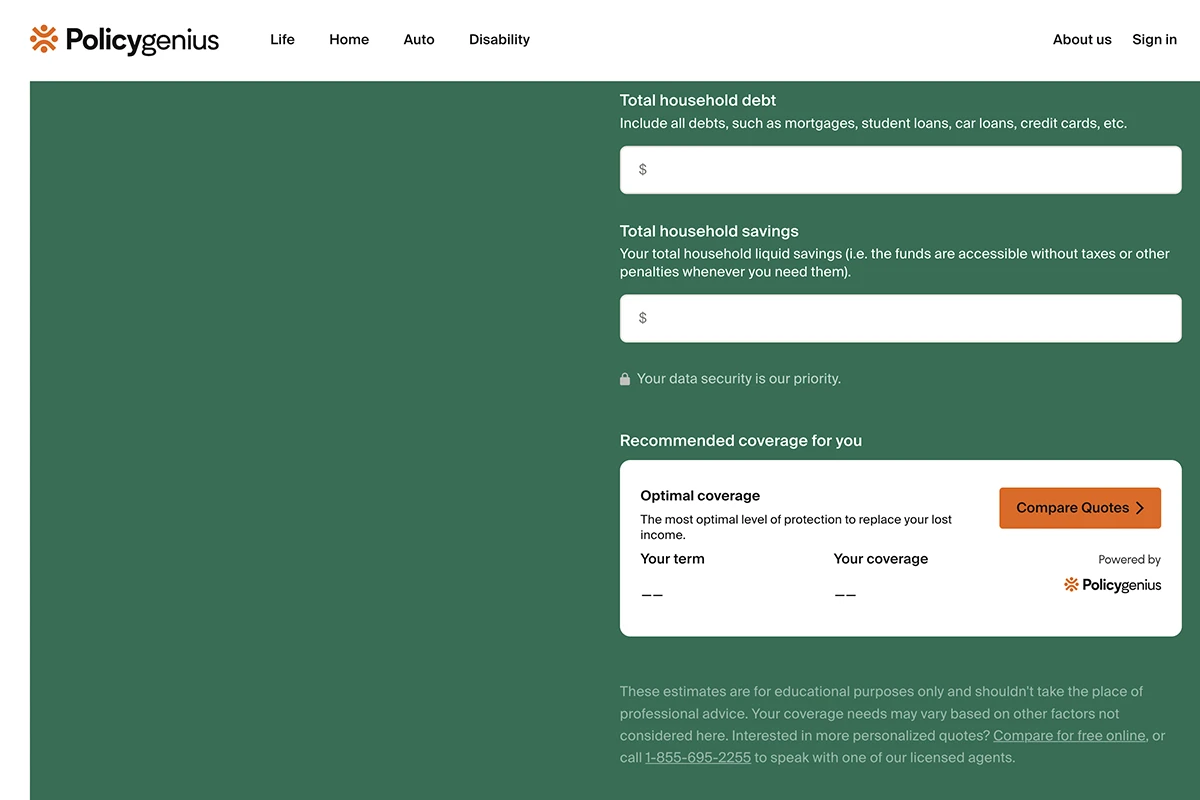
High-performing PPC landing pages often include small reassurance cues near the form, such as:
- “No obligation”
- “We’ll never spam you”
- “Response within 24 hours”
These micro-messages don’t add clutter — they remove doubt.
Why Form Optimization Has a Compounding Effect in PPC
Improving form conversion rate doesn’t just lower cost per lead.
It also:
- Feeds more conversion data into Google Ads
- Helps automated bidding algorithms stabilize faster
- Improves long-term campaign scalability
In other words, a better form doesn’t just convert more users — it makes the entire PPC system work better.
Ready to see how PPC landing pages can work for you?
Landing Page Speed and Performance: The Silent PPC Conversion Killer
You can have the perfect headline, a strong offer, and great trust signals — and still lose PPC conversions before any of them are seen.
Why?
Because the page is slow.
Landing page speed isn’t a technical detail for PPC campaigns. It’s a conversion requirement.

Slow Pages Don’t Just Hurt UX — They Kill Conversions
Google’s mobile performance research makes this painfully clear.
As page load time increases from 1 second to 10 seconds, the probability of a bounce increases by 123%. That means more than doubling the chance that a paid visitor leaves without interacting at all.
Even more concerning for PPC advertisers:
- For 70% of mobile landing pages, above-the-fold content takes more than five seconds to fully load
- If users don’t see value quickly, they don’t wait — they leave
For paid traffic, this is brutal. You’re paying for clicks that never even see your message.
Why Above-the-Fold Speed Matters More Than Total Load Time
Many advertisers focus on total page load time, but for PPC, perceived speed matters more.
If the headline, CTA, and trust signals don’t appear quickly, users assume the page is slow — even if it finishes loading later.
High-performing PPC landing pages prioritize:
- Fast rendering of hero content
- Lightweight layouts with fewer scripts
- Minimal animations and visual effects above the fold
Google’s research also shows that as page elements increase from 400 to 6,000, the probability of conversion drops by 95%. More elements don’t just slow pages down — they overwhelm users at the worst possible moment.
Mobile Performance Is Not Optional for PPC
Most PPC traffic is mobile-first, especially in local and service-based campaigns.
That means:
- Click-to-call buttons must load instantly
- Forms must be usable without zooming or lag
- Fonts, buttons, and spacing must be touch-friendly
A landing page that looks fine on desktop but struggles on mobile will underperform, no matter how strong the offer is.
What to Fix First for Faster PPC Conversions
If you’re optimizing landing page performance for PPC, start with changes that directly affect the first screen:
- Compress and properly size hero images
- Remove unnecessary scripts, trackers, and plugins
- Avoid heavy sliders or autoplay media above the fold
- Limit font files and custom animations
- Use a simple, focused layout
You don’t need a perfect PageSpeed score. You need a page that feels fast enough for users to engage immediately.
Why Speed Improvements Have a Compounding Effect
Just like form optimization, speed improvements compound across your PPC account.
A faster page:
- Reduces bounce rate
- Increases conversion rate
- Improves the consistency of conversion data
- Helps Google Ads algorithms optimize more effectively
In many cases, improving landing page speed alone can produce measurable gains without touching ads, keywords, or bids.
Using Visual Proof and Trust Signals to Increase PPC Landing Page Conversions
PPC traffic is skeptical by default.
Users know you paid to be there. They know competitors are one click away. And they’re actively looking for reasons not to trust you.
That’s why explanation alone isn’t enough. High-performing PPC landing pages don’t just tell visitors they’re the right choice — they show proof as early as possible.
Trust Signals Work Best When They Appear Before the Scroll
A common mistake is burying trust elements at the bottom of the page or on a separate reviews page.
For PPC landing pages, that’s too late.
Trust needs to be established before the user decides whether to stay. That’s why top-performing pages place at least one trust signal:
- In the hero section
- Directly under the CTA
- Or immediately below the first screen
BrightLocal’s consumer research consistently shows that online reviews play a role in nearly every local purchasing decision, and only a tiny percentage of users say they never read reviews. For PPC traffic, visible proof acts as a shortcut to trust.
Effective above-the-fold trust signals include:
- Star ratings with review counts
- Short testimonials with names or photos
- “Trusted by” or certification badges
- Years in business or number of customers served
These elements reduce perceived risk at the exact moment users are deciding whether to engage.
Why Visual Proof Outperforms Text Alone
Visual proof removes doubt faster than paragraphs of copy.
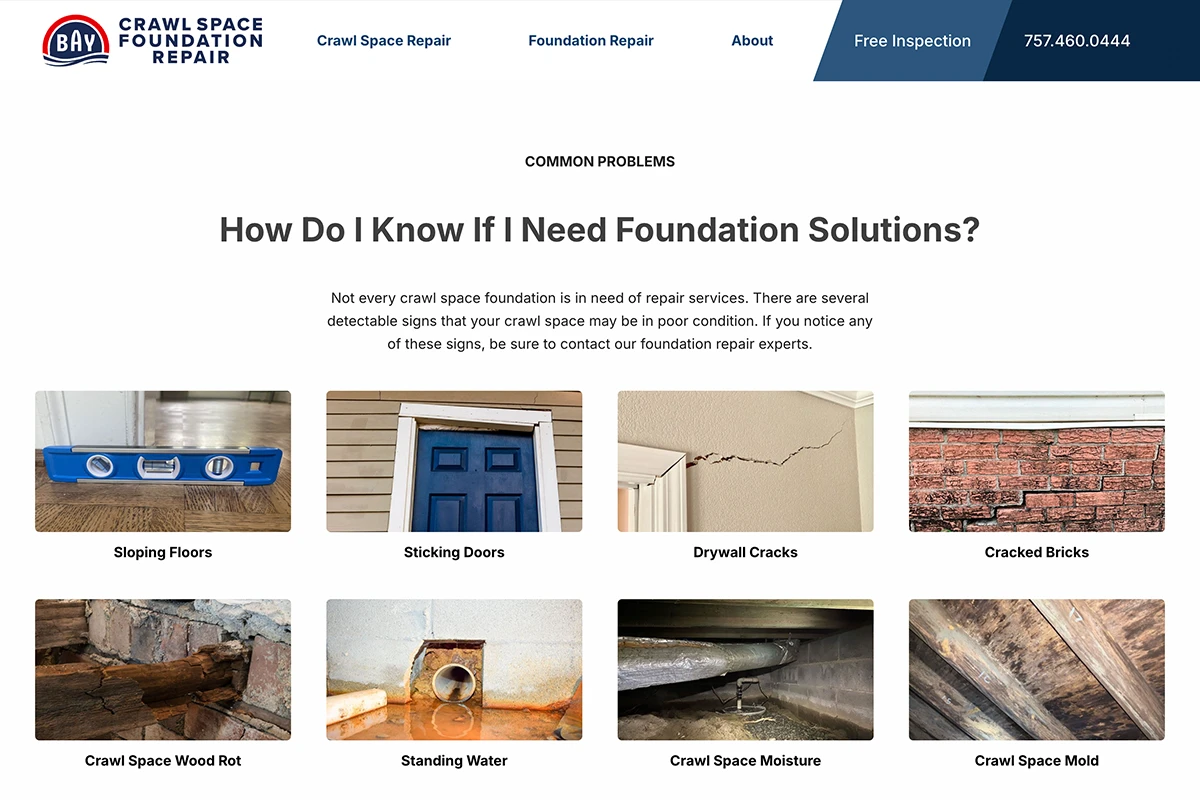
Before-and-after photos, explainer visuals, and simple diagrams help users understand:
- What problem you solve
- How your solution works
- What kind of result they can expect
This is especially powerful for service-based PPC campaigns, where users may not fully understand the process or outcome. When visitors can see the transformation, they’re more likely to believe it’s achievable.
High-converting landing pages often use:
- Before-and-after images
- Product or process walkthrough visuals
- Simple annotated screenshots or diagrams
The goal isn’t to impress — it’s to clarify.
Video Can Increase Conversions (When Used Correctly)
Video is one of the most underutilized PPC landing page assets — and one of the most effective when done right.
Unbounce and BrightLocal research shows that a large majority of consumers use video when researching services and local businesses. Video works because it:
- Builds trust faster than text
- Reduces ambiguity
- Creates a sense of human connection
On high-performing PPC landing pages, video typically:
- Explains the service or process in under 90 seconds
- Reinforces the main benefit from the headline
- Appears alongside the CTA, not buried below
The key is restraint. Autoplay videos, long testimonials, or overly polished brand videos often hurt conversions. Short, clear, and relevant wins.

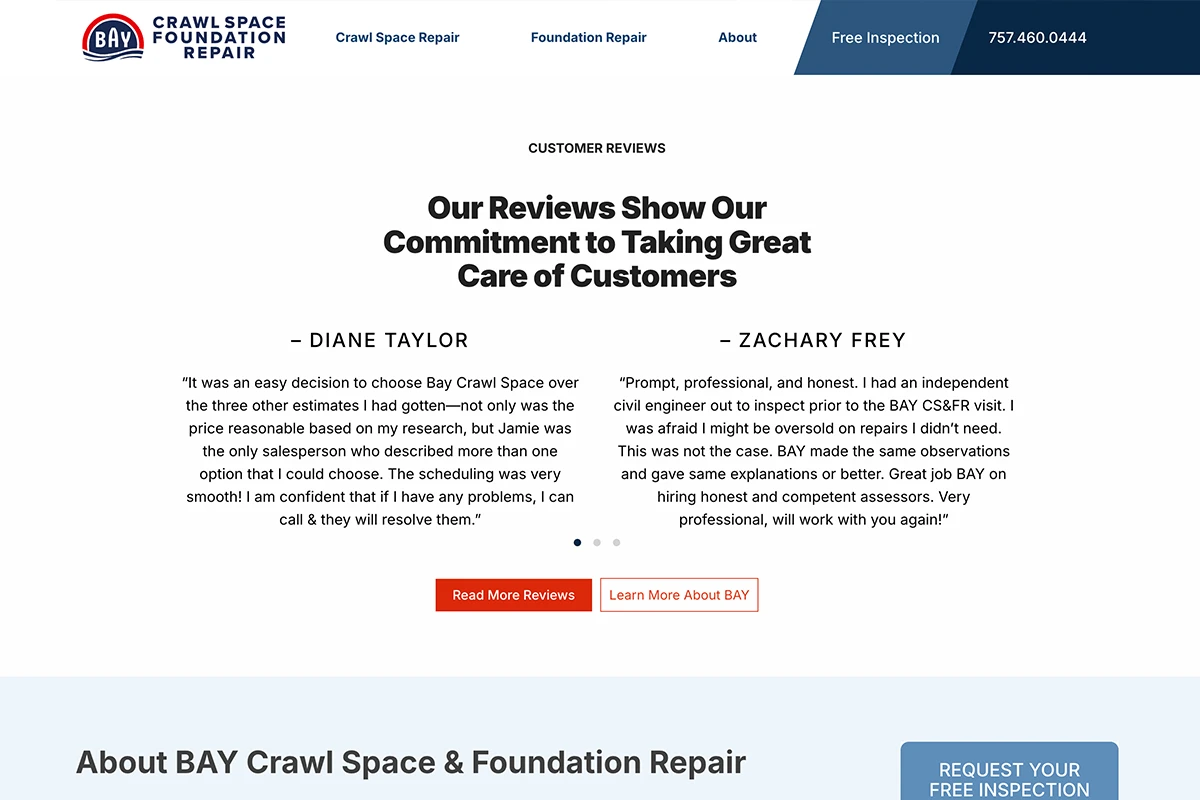
Social Proof Is Stronger When It Feels Real
Not all trust signals are equal.
Generic testimonials with no names, photos, or context rarely move the needle. In contrast, trust elements that feel specific and verifiable consistently outperform vague claims.
Stronger examples include:
- Testimonials with first names and locations
- Reviews pulled directly from Google or third-party platforms
- Photos of real customers or completed work
- Specific outcomes (“saved us $2,000,” “fixed in one visit”)
The more “real” the proof feels, the less cognitive effort the visitor needs to believe it.
Why Trust and Visual Proof Matter More for PPC Than SEO
Organic visitors may give you time. PPC visitors usually won’t.
They are comparison shopping in real time. If your landing page lacks visible proof while competitors show it clearly, the decision is often made for them.
That’s why trust signals and visual proof aren’t supporting elements in PPC landing page optimization — they’re conversion drivers.

How PPC Landing Page Optimization Improves Google Ads Performance
Landing page optimization isn’t just a conversion-rate play. It’s a Google Ads performance lever.
When your landing page converts better, it changes how your entire account behaves — from bidding efficiency to scalability.


Conversion Rate Directly Impacts Cost Per Lead
At the most basic level, conversion rate and cost per lead are mathematically linked.
If your cost per click stays the same but your conversion rate improves, your cost per lead drops automatically. That’s why landing page optimization often produces faster ROI than keyword or bid changes.
For example:
- A page converting at 3% turns 100 clicks into 3 leads
- The same traffic at 6% produces 6 leads
- At 9–10%, you’ve effectively tripled lead volume without buying more clicks
This is why PPC landing page optimization is often the difference between campaigns that barely break even and campaigns that scale profitably.
Better Conversion Rates Feed Google’s Algorithms More Data
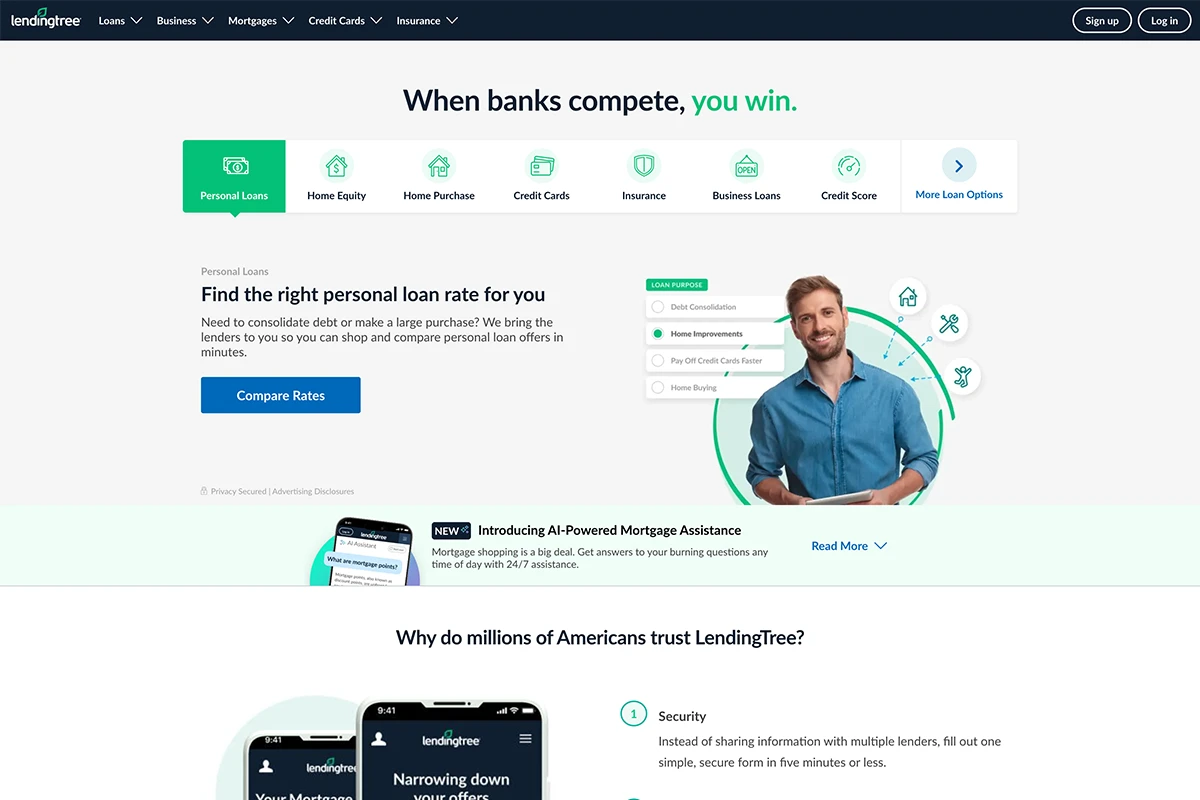
Modern Google Ads accounts rely heavily on automated bidding strategies like:
Modern Google Ads accounts rely heavily on automated bidding strategies like:
- Maximize Conversions
- Target CPA
- Target ROAS
All of these systems depend on conversion data to function properly.
When your landing page converts poorly:
- The algorithm receives fewer signals
- Learning periods take longer
- Performance becomes unstable or inconsistent
When your landing page converts well:
- Google gets more frequent feedback
- Bidding decisions improve faster
- Campaigns stabilize sooner and scale more predictably
In practical terms, improving your landing page conversion rate can make Smart Bidding work better, even if nothing else changes in the account.
Higher Conversion Rates Create a Competitive Advantage
In competitive auctions, advertisers with stronger conversion rates can afford to:
- Bid more aggressively
- Win higher-intent searches
- Maintain profitability where others can’t
This is why two advertisers can bid on the same keywords with very different results. One is forced to cap spend due to high cost per lead. The other can scale because their landing page turns clicks into customers efficiently.
Landing page optimization doesn’t just improve performance — it expands what’s possible inside your Google Ads account.
PPC Landing Page Optimization Checklist
Use this checklist to quickly audit any PPC landing page before sending traffic to it:
Structure & Focus
- No main navigation or external links
- One page, one offer, one primary CTA
- Clear alignment with ad intent
Hero Section
- Benefit-driven headline
- Supporting subheadline that reduces doubt
- Primary CTA visible without scrolling
- Phone number visible for call-driven campaigns
Forms & CTAs
- Minimal number of required fields
- CTA copy explains value, not action
- Reassurance text near the form
Trust & Proof
- At least one trust signal above the fold
- Real testimonials, reviews, or ratings
- Visual proof where possible (photos, video, before/after)
Speed & Performance
- Fast-loading hero content
- Mobile-first design
- No heavy scripts or animations above the fold
Ready to see how PPC landing pages can work for you?
PPC Landing Page Optimization FAQs
A “good” PPC landing page conversion rate depends on your industry, offer, and traffic intent. Across all industries, the median landing page conversion rate is around 6–7%, according to Unbounce benchmark data.
However, well-optimized PPC landing pages in lead-generation industries often outperform that median. Many service-based and local PPC landing pages consistently convert in the 8–10% range or higher when built around a focused layout, strong above-the-fold messaging, and reduced friction.
Instead of chasing a universal number, use industry benchmarks as context and focus on incremental improvements over your current baseline.
PPC ads should almost always send traffic to a dedicated landing page, not a homepage.
Homepages are designed to serve multiple audiences and goals, which introduces distractions and competing actions. PPC landing pages, on the other hand, are built around:
- One audience
- One offer
- One primary call to action
Removing navigation and unnecessary links helps keep users focused and consistently improves conversion rates for paid traffic.
For most PPC campaigns, fewer form fields convert better.
Short forms — typically 3 to 5 required fields — perform best for paid traffic, especially when users are still comparing options. Longer forms increase friction and often reduce conversion rates without improving lead quality.
If additional information is needed, it’s usually better to collect it after the initial conversion, rather than blocking the first step.
If your business converts leads over the phone, displaying a phone number prominently on your PPC landing page is strongly recommended.
For local and service-based PPC campaigns in particular:
- Many users prefer calling over filling out a form
- Click-to-call is especially important on mobile
- Hiding the phone number can suppress conversions
The highest-performing pages often give users both options: a visible phone number and a simple form.
Yes — page speed has a direct impact on PPC performance.
Slow-loading landing pages increase bounce rates, waste ad spend, and reduce conversion volume before users ever see your message. This is especially critical on mobile, where most PPC traffic originates.
For PPC landing pages, prioritize:
- Fast-loading above-the-fold content
- Lightweight layouts
- Minimal scripts and animations
You don’t need a perfect speed score — you need a page that feels fast enough for users to engage immediately.
The hero section (above the fold) is the most important part of a PPC landing page.
This is where users decide whether to stay or leave. A strong hero section:
- Confirms relevance with a clear headline
- Builds trust with visible proof
- Makes the next step obvious with a prominent CTA
If the hero section fails, users rarely scroll far enough to be convinced later.
Landing page optimization improves Google Ads performance by increasing conversion volume and consistency.
Higher conversion rates:
- Lower cost per lead
- Feed more data into Smart Bidding algorithms
- Help campaigns stabilize and scale faster
In competitive PPC markets, advertisers with better-converting landing pages can often bid more aggressively while remaining profitable.
PPC landing pages should be reviewed regularly, especially when:
- Conversion rates plateau
- CPCs increase
- Traffic quality changes
- New competitors enter the auction
Even small changes — headlines, CTAs, form length, or trust placement — can produce measurable lifts. Ongoing optimization is often what separates average campaigns from top performers.
DIGITAL MARKETING SOLUTIONS
Relax.
You've got a digital marketing partner.
Digital Division is a marketing agency with solutions that can help you generate leads and transform your business.